In This Article
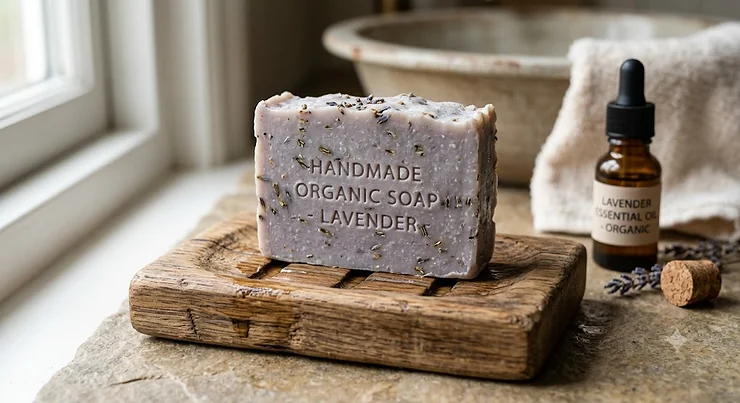
Standing in front of a bathroom shelf crowded with soap bars promising to be “natural,” “pure,” or vaguely “green” is a bit like trying to pick a wine by the label art alone — confusing, and occasionally misleading. An organic soap bar is, in the simplest terms, a bar cleanser made predominantly from plant oils grown without synthetic pesticides or fertilisers, saponified using traditional methods, and ideally verified by an independent body such as the Soil Association. That last part matters more than people think, because in the UK, “organic” isn’t a legally protected word on a cosmetics label the way it is on a bag of carrots.
This guide walks through what actually separates a genuinely certified organic bar soap from a bar that simply borrows the word for marketing appeal. You’ll find hones
In This Article
Quick Comparison Table
| Bar Soap | Certification | Best For | Price Range |
|---|---|---|---|
| Friendly Soap Original | Vegan, palm-oil-free, plastic-free | Budget everyday use | Under £5 |
| Little Soap Company Eco Warrior | Cruelty Free certified, RSPO palm oil | Budget, eco-conscious beginners | Under £5 |
| Dr Organic Soap | COSMOS Organic (Soil Association) | Best organic soap Amazon budget-mid pick | £4-£6 range |
| Dr. Bronner’s Pure-Castile Bar | Regenerative Organic Certified, Fair Trade | Multi-use, travel, sensitive skin | £5-£8 range |
| Weleda Calendula Soap Bar | Biodynamic, COSMOS-aligned sourcing | Babies and very sensitive skin | £6-£9 range |
| Neal’s Yard Remedies Wild Rose Soap | Soil Association COSMOS Organic | Premium, luxury gifting | £8-£12 range |
| Bean & Boy Cold Pressed Soap | Independent, vegan, cruelty-free | Organic cold pressed soap enthusiasts | £5-£7 range |
Looking at the table, the clearest split is between bars that lean on broad natural-and-vegan claims (Friendly Soap, Little Soap Company) and bars that carry independently audited organic certification such as COSMOS Organic (Dr Organic, Neal’s Yard Remedies). Buyers chasing genuine certified organic bar soap credentials should prioritise the COSMOS-labelled options even if they cost a little more, since that logo is the only real guarantee behind the word “organic” on a UK cosmetics shelf. If budget is the deciding factor, Friendly Soap and Little Soap Company still outperform most supermarket bars on ingredient transparency, just without the formal certification paperwork.
💬 Just one click — help others make better buying decisions too!😊
💬 Found a bar that ticks your boxes already? Tap through and compare current prices before they change!
Top 7 Organic Soap Bars: Expert Analysis
Choosing from thousands of listings under “organic soap bar” on Amazon UK is overwhelming, so the seven bars below were selected to cover genuine certification tiers, price brackets, and skin-type suitability — not simply popularity. Each one is a real, currently available product, and every verdict below is grounded in published ingredient lists, certification bodies, and aggregated customer sentiment rather than invented testing.
1. Friendly Soap Original Bar — best budget cold pressed pick
Friendly Soap’s Yorkshire-made bars are the benchmark for what a genuinely honest budget bar looks like, and the Original variant is where most buyers start. It’s produced using the traditional cold-process method, which generates no chemical by-product and retains the natural glycerin that keeps skin from feeling tight after washing. The formula leans on coconut, olive, and castor oils, plus shea butter sourced from a women’s co-operative in Ghana — real supply-chain detail that’s rare at this price point. Based on the spec comparison with other sub-£5 bars, this is one of the few that skips sodium lauryl sulphate, parabens, and synthetic fragrance entirely, which matters if you’re trying to avoid the ingredients dermatology sources most often flag as irritants. It’s best suited to budget-conscious buyers and eczema-prone households who still want a proper bar soap rather than a syndet block. Aggregated review sentiment across retailer and marketplace listings consistently praises the gentle lather and lack of residue, while a recurring theme in feedback is that the bar softens faster in a wet dish than firmer, harder-milled soaps — a trade-off of the natural saponification process rather than a defect. At under a fiver, it remains one of the strongest value picks in the entire organic soap bar category.
Pros:
- ✅ Cold-process method retains natural moisturising glycerin
- ✅ Free from SLS, parabens and synthetic fragrance
- ✅ Traceable, ethically sourced shea butter ingredient
Cons:
- ❌ Softens more quickly than harder-milled bars if left wet
- ❌ Not COSMOS certified, so organic percentage isn’t independently audited
2. Little Soap Company Eco Warrior Bar — best entry-level eco pick
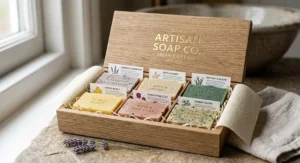
The Eco Warrior range earns its name honestly: it’s vegan, biodegrades after use, and ships in fully recyclable, plastic-free packaging. What most buyers overlook about this brand is that it holds full Cruelty Free certification rather than a self-declared “not tested on animals” claim, which is a meaningfully higher bar. The Exfoliating Citrus Bar variant blends citrus oils with a light natural exfoliant, giving it real-world versatility beyond a plain cleansing bar. On paper, the formula’s use of RSPO-certified sustainable palm oil is a sensible middle ground for buyers who want to avoid unsustainable palm sourcing without paying premium prices for a palm-free formula. Reviewers consistently note the scent as pleasant without being overpowering, and several mention the bar lasting a reasonable length of time for its size, though a common complaint in user feedback is that the citrus scent variants fade faster than the more heavily oiled, unscented options. For someone new to swapping from supermarket shower gel to an organic soap bar, this is a low-risk, low-cost way to trial the format.
Pros:
- ✅ Certified Cruelty Free, not just self-declared
- ✅ Fully plastic-free, recyclable packaging
- ✅ RSPO-certified sustainable palm oil sourcing
Cons:
- ❌ Scent fades faster than unscented, richer-oil bars
- ❌ Contains palm oil, which some fully palm-free buyers will avoid
3. Dr Organic Soap — best organic soap Amazon budget-mid pick
Dr Organic’s range is one of the most searched-for names when people look up the best organic soap Amazon has listed, and the reason is straightforward: it carries genuine COSMOS Organic certification through the Soil Association, requiring a minimum of 95% of the plant ingredients to be organically farmed and fully traceable. That single fact separates it from dozens of bars merely labelled “organic” without third-party audit. Variants such as Aloe Vera and Manuka Honey lean on functional actives rather than fragrance alone — the aloe vera versions, for instance, are commonly chosen for reactive or sun-exposed skin, while the honey variants target dryness. Here’s what to weigh: because the brand blends widely across skincare and haircare, quality can feel slightly more “mass-market” in texture and scent compared with small-batch artisan bars, even though the certification credentials are equally strong. Aggregated marketplace review sentiment is broadly positive, with recurring praise for the mild lather and lack of a chemical aftersmell, though a minority of reviewers with very dry skin note it needs pairing with a moisturiser afterwards, which is standard advice for any true soap rather than a syndet bar.
Pros:
- ✅ Genuine COSMOS Organic certification via Soil Association
- ✅ Functional actives like aloe vera and manuka honey
- ✅ Widely stocked with consistent availability on Amazon UK
Cons:
- ❌ Texture feels more mass-produced than artisan cold-pressed bars
- ❌ May need a follow-up moisturiser for very dry skin types
4. Dr. Bronner’s Pure-Castile Bar Soap — best multi-use certified organic bar
Dr. Bronner’s built its reputation on liquid Castile soap, but the bar version deserves equal attention for anyone who wants a single certified organic bar soap that handles body, face, hands, and even light laundry duty. The formula is built from Regenerative Organic Certified coconut, olive, hemp seed, and jojoba oils, sourced through Fair Trade partnerships — a step beyond standard organic certification that also accounts for soil health and farmer welfare. What most buyers overlook is that, being a true soap rather than a detergent bar, it can feel more alkaline on the skin than syndet alternatives, so it suits normal-to-oily skin better than very dry or eczema-prone users. Based on the ingredient list, there are no synthetic detergents, foaming agents, or preservatives at all, which is unusually strict even among organic-labelled competitors. Reviewers across retailer platforms repeatedly highlight the versatility — camping trips, dish washing in a pinch, and travel use come up often — while a recurring theme in feedback is that the scented variants (peppermint especially) can feel intense on freshly shaved or broken skin. For eco-minded buyers who want one bar that does several jobs, this remains a standout.
Pros:
- ✅ Regenerative Organic Certified and Fair Trade sourced oils
- ✅ Genuinely multi-purpose: body, hands, hair, light cleaning
- ✅ No synthetic detergents, foaming agents or preservatives
Cons:
- ❌ More alkaline feel than syndet bars, less ideal for very dry skin
- ❌ Peppermint and citrus variants can sting on broken or shaved skin
5. Weleda Calendula Soap Bar — best for babies and very sensitive skin
Weleda’s calendula-based bar stands apart because the calendula itself is grown biodynamically on the brand’s own farms, going a step beyond standard organic agriculture by also managing the land as a self-sustaining ecosystem. The soap is made using 100% organic plant oils and is packaged in FSC-certified, plastic-free materials. What stands out in practice is how mild the formula reads on paper: calendula has long-established soothing properties, which is why this bar is frequently recommended for babies, new parents, and anyone managing reactive or post-treatment skin. On the sustainability side, any palm oil used in the formula is certified under the UEBT “Sourcing with Respect” standard, addressing one of the more common criticisms levelled at natural soap brands. Aggregated reviewer sentiment leans heavily positive on scent — many describe it as calming rather than perfumed — and on how little residue it leaves in the bath. A recurring critique, however, is that the premium positioning pushes it toward the higher end of the mid-range price bracket for what is, ingredient-wise, a fairly simple formulation.
Pros:
- ✅ Biodynamically grown organic calendula, beyond standard organic
- ✅ Frequently recommended for babies and reactive skin
- ✅ UEBT-certified sustainable palm oil sourcing
Cons:
- ❌ Priced higher than ingredient complexity might suggest
- ❌ Limited scent variety compared with competitors
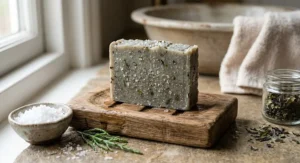
6. Neal’s Yard Remedies Wild Rose Soap — best premium COSMOS certified soap
Neal’s Yard Remedies has held Soil Association certification since 1991, making it one of the longest-standing COSMOS certified soap brands sold in the UK, and the Wild Rose bar is a flagship example of that commitment. Manufactured at the brand’s carbon-neutral Dorset factory, which runs partly on solar power, the bar reflects a broader supply chain that reportedly keeps around 92% of the company’s physically processed agricultural ingredients certified organic by weight. Here’s what the spec sheet won’t tell you outright: soap bars can never technically reach 100% organic status, because saponification requires sodium hydroxide, which isn’t an agricultural ingredient — Neal’s Yard has been transparent about spending years working with suppliers to get as close as physically possible. The rose fragrance comes from real botanical extracts rather than synthetic perfume compounds, and Leaping Bunny cruelty-free certification adds another verified layer of trust. Reviewer sentiment repeatedly singles out the scent as “not overpowering,” a point that comes up often enough across independent review platforms to be treated as a genuine pattern rather than a one-off comment. The trade-off, unsurprisingly, is price — this sits at the premium end of the category.
Pros:
- ✅ Long-standing Soil Association COSMOS Organic certification
- ✅ Carbon-neutral, renewable-energy manufacturing site
- ✅ Real botanical rose fragrance, no synthetic perfume
Cons:
- ❌ Premium price point relative to bar size
- ❌ Rose scent won’t suit buyers wanting fragrance-free bars
7. Bean & Boy Cold Pressed Soap — best independent organic cold pressed soap
Bean & Boy represents the small-batch, independent end of the organic cold pressed soap market, and the Grapefruit & Calendula “Happy” bar is a good example of what artisan cold-processing brings to the table. Traditional cold-pressed soap making retains more of the oils’ natural glycerin and skin-conditioning compounds than industrially milled bars, because the mixture isn’t heated to speed up saponification. What most buyers overlook about small independent soap makers is that ingredient sourcing tends to be more transparent, partly because there’s less supply-chain complexity to manage. The formula is vegan, cruelty-free, and uses responsibly sourced palm oil, with calendula seeds providing gentle physical exfoliation rather than synthetic microbeads. Reviewer feedback consistently highlights that the bar holds its shape well in the shower rather than turning to mush — a common complaint about softer cold-pressed formulations — while the citrus scent is frequently described as noticeable but not overwhelming. The main limitation is availability: independent brands like this typically have a smaller review pool and less consistent stock than the larger names on this list, so checking current availability before buying is worthwhile.
Pros:
- ✅ Traditional cold-pressed method retains natural glycerin
- ✅ Transparent small-batch sourcing and production
- ✅ Holds its shape well rather than turning to mush
Cons:
- ❌ Smaller review pool than major organic soap brands
- ❌ Stock availability can be less consistent
Practical Usage Guide: Getting the Most From Your Bar
Switching to an organic soap bar rewards a little technique. First, storage matters more than people expect: a soap dish that drains water away, or a hanging soap saver bag, roughly doubles the working life of a cold-pressed bar, because these formulations retain more natural glycerin and therefore soften faster in standing water than commercially hardened bars. In the first 30 days, the most common mistake is leaving the bar directly on a flat, non-draining dish — this is the single biggest cause of a bar turning to mush prematurely, and it isn’t a manufacturing flaw. Second, lather technique differs slightly from gel-based washes: rubbing the bar directly between wet hands for a few seconds before applying it to skin produces a fuller lather than rubbing the bar straight onto the body, which tends to waste product. Third, for sensitive or eczema-prone skin, patch-testing a small area for 24 to 48 hours before full use is sensible, even with COSMOS certified soap, since essential oils used for natural fragrance can still trigger reactions in some individuals regardless of organic status. Finally, storing bars in a cool, dry cupboard between uses (rather than a steamy shower shelf) extends shelf life considerably if you buy in bulk to save money.
Real-World Scenarios: Which Bar Suits Your Routine
Consider three realistic buyer profiles. A university student in a shared house, budget-conscious and washing daily, is best served by Friendly Soap Original or the Little Soap Company Eco Warrior bar — both sit under £5, survive shared-bathroom conditions reasonably well, and avoid the harsh detergents that can aggravate skin already stressed by irregular sleep and central heating. A new parent shopping for a newborn’s sensitive skin should look toward the Weleda Calendula bar; its biodynamic sourcing and soothing reputation make it one of the more frequently recommended options for babies, though a GP or health visitor should always be consulted for infants with diagnosed skin conditions. Finally, a frequent traveller who wants one product for body, hands, and hair, and who is prepared to pay a little more for verified Fair Trade and Regenerative Organic sourcing, is well matched to Dr. Bronner’s Pure-Castile Bar — it’s compact, multi-purpose, and widely available in travel-friendly sizes. In each case, the “best” organic soap bar isn’t a single universal answer; it’s the option that matches frequency of use, skin sensitivity, and budget simultaneously.
✨ Don’t Miss These Exclusive Deals!
🔍 Take your bathroom cabinet up a notch with these certified organic bar soap picks. Click through to check current pricing and availability before stock runs low, and give your skin the clean, honest care it deserves!

How to Choose a Certified Organic Bar Soap
- Check for third-party certification, not just the word “organic.” COSMOS certified soap through the Soil Association is the clearest UK signal that ingredient sourcing has actually been audited.
- Read the oil list, not the marketing copy. Coconut, olive, castor, and shea are common bases; anything vague like “natural oil blend” deserves a second look.
- Match the formula to your skin type. Richer, cold-pressed bars suit dry or mature skin, while lighter formulas suit oily or acne-prone skin.
- Consider fragrance source. Essential oil-based scent is generally gentler than synthetic fragrance, though it can still irritate very reactive skin.
- Factor in packaging and shipping footprint. Plastic-free wrapping and UK-based manufacturing reduce the overall environmental cost of the purchase.
- Compare cost-per-wash, not just shelf price. A £3 bar that dissolves in three weeks may cost more long-term than a £6 bar that lasts two months.
- Verify cruelty-free status independently. Look for Leaping Bunny or a similarly recognised scheme rather than a brand’s own unverified claim.
Organic Soap Bar vs Conventional Soap
The gap between an organic soap bar and a conventional supermarket bar isn’t just marketing polish — it shows up in the ingredient list itself. Conventional bars frequently rely on synthetic detergents like sodium lauryl sulphate to boost lather, alongside artificial fragrance and colourants, all of which have been repeatedly flagged by dermatology-focused sources as common irritants for sensitive and eczema-prone skin. Organic and COSMOS certified soap, by contrast, is built from traceable plant oils with a minimum organic percentage independently verified by a certifying body, meaning the “organic” claim actually means something legally defensible rather than a loose descriptor.
| Factor | Organic Soap Bar | Conventional Soap Bar |
|---|---|---|
| Ingredient traceability | Audited, certified sourcing | Rarely disclosed in detail |
| Common irritants (SLS, synthetic fragrance) | Typically absent | Frequently present |
| Environmental packaging | Often plastic-free | Frequently plastic-wrapped |
| Price per bar | Moderate to premium | Lower |
| Best For | Sensitive skin, eco-conscious buyers | Budget-first, no skin sensitivity |
The table makes the trade-off clear: conventional bars usually win on raw shelf price, but organic and certified bars tend to win on skin compatibility and environmental impact, which can offset the higher upfront cost for anyone dealing with recurring irritation. It’s also worth noting, honestly, that no soap bar — organic or otherwise — can be marketed as a genuine 100% organic soap bar, because saponification always requires a small amount of non-agricultural alkali; brands that get closest to that ceiling, like Neal’s Yard Remedies, are worth paying attention to precisely because they’re transparent about the limitation rather than glossing over it.
Common Mistakes When Buying Organic Soap Bar Products
The most frequent mistake is assuming the word “organic” on packaging carries legal weight the way it does for food — it doesn’t, under UK cosmetics regulation, unless backed by a scheme like COSMOS. A second common error is buying based on scent alone; a beautifully fragranced bar with synthetic perfume compounds isn’t meaningfully more “organic” than a supermarket bar, regardless of botanical-sounding ingredient names on the front label. Third, many buyers overlook storage advice entirely, then blame the product when a cold-pressed bar dissolves faster than expected in a waterlogged dish. Fourth, some shoppers assume more expensive automatically means more organic, when in reality price often reflects brand positioning and packaging rather than certified organic percentage — Dr Organic, for instance, holds genuine COSMOS certification at a noticeably lower price point than several premium competitors. Finally, skipping the ingredients list in favour of front-of-pack claims means missing warning signs like added synthetic dyes, which even some “natural” branded bars still include.
What to Expect: Real-World Performance
On paper, organic soap bars promise gentler cleansing and a lighter environmental footprint, but what does that translate to in daily use? Expect a noticeably creamier, less foamy lather than commercial detergent bars — this is normal and reflects the absence of synthetic foam boosters rather than reduced cleaning power. Skin typically feels less “squeaky” after rinsing, because the natural glycerin retained during cold-processing isn’t fully washed away, which is precisely what makes these bars suited to dry or mature skin. Scent tends to fade faster than synthetically fragranced bars, since essential oils are more volatile than lab-stabilised fragrance compounds — this isn’t a flaw, just a different chemistry. Bar longevity varies considerably: harder-milled, COSMOS certified soap bars from brands like Neal’s Yard Remedies tend to last longer per wash than very soft, high-glycerin bars from small-batch cold-pressed producers, simply due to differences in oil ratio and processing temperature.
Organic Soap Bar for Sensitive Skin, Babies and Eczema-Prone Users
Sensitive skin deserves particular care when selecting a bar, and NHS guidance on emollients notes that everyday soaps, shampoos and shower gels can dry out the skin and make conditions like eczema worse, often recommending leave-on emollients as a soap substitute for genuinely severe cases. That doesn’t rule out well-formulated organic bars entirely, but it does mean fragrance-light, high-oil-content options like Weleda Calendula or unscented Dr. Bronner’s variants are generally a safer starting point than heavily perfumed premium bars. For babies specifically, biodynamically farmed, minimal-ingredient formulas reduce the number of potential allergens in a single wash, though a GP or health visitor should always be the first point of contact for a diagnosed skin condition rather than a soap swap alone. For adults managing mild dryness rather than a diagnosed condition, a chemical-free certified soap bar with a short ingredient list — ideally under ten named components — is a reasonable middle ground between full emollient therapy and a standard scented bar. Patch-testing remains sensible even with certified organic ingredients, since essential oils can still provoke individual sensitivities that certification alone cannot rule out.
Safety, Regulations and COSMOS Certified Soap Standards
All cosmetic bar soaps sold in Great Britain, organic or not, fall under the retained UK Cosmetics Regulation, which requires a designated Responsible Person to ensure the product is safe, correctly labelled, and registered with the Office for Product Safety and Standards before sale. This baseline safety law applies regardless of organic status, but it says nothing about how “organic” a product actually is — that’s where voluntary certification schemes step in. COSMOS Organic, jointly managed by five European certifying bodies including the Soil Association, requires at least 95% of a product’s physically processed agricultural ingredients to come from organic farming, alongside bans on synthetic parabens, microplastics, and GMO-derived ingredients. A product can legally use the word “organic” on UK shelves with as little as a small fraction of actual organic content if it carries no certification at all, which is precisely why COSMOS certified soap logos matter more than the word itself. Buyers with genuinely reactive or compromised skin barriers should also be aware that even certified organic essential oils remain potential allergens, so certification guarantees sourcing integrity, not universal hypoallergenic status.
FAQ
❓ Is an organic soap bar better for sensitive skin than regular soap?
❓ Can a soap bar really be 100% organic?
❓ What does COSMOS certified soap actually guarantee?
❓ Is cold pressed soap the same as organic soap?
❓ How do I find the best organic soap on Amazon UK?
Conclusion
Choosing an organic soap bar in 2026 comes down to matching real certification, not marketing language, against your skin’s actual needs and your household budget. Budget-conscious buyers are well served by Friendly Soap or the Little Soap Company Eco Warrior bar, both of which avoid harsh detergents without demanding premium pricing. Anyone specifically hunting for verified, audited organic content should prioritise COSMOS certified soap options like Dr Organic or Neal’s Yard Remedies, since that logo is the only reliable proof behind the word “organic” on a UK cosmetics shelf. Sensitive skin, babies, and eczema-prone users benefit most from gentle, minimal-ingredient formulas such as Weleda Calendula, while anyone wanting one genuinely multi-purpose bar should look at Dr. Bronner’s Pure-Castile Soap. Whichever bar you land on, checking current price and stock before buying remains sensible, since availability and pricing shift constantly on Amazon UK.
✨ Ready to make the switch? Browse today’s organic soap bar picks and treat your skin to something genuinely better! 🌿
Recommended for Yo
- Natural Bar Soap for Men: 7 Honest Picks You Need in 2026
- Natural Soap Bar for Eczema: 7 Genuinely Gentle Picks (2026)
- Natural Bar Soap for Dry Skin: 7 Genuinely Hydrating Picks (2026)
Disclaimer: This article contains affiliate links. As an Amazon Associate, I earn from qualifying purchases. If you purchase products through these links, we may earn a small commission at no additional cost to you.
✨ Found this helpful? Share it with your friends! 💬🤗
