In This Article
Somewhere between your nan’s utility soap and the £40 artisan bar wrapped in tissue paper sits the cold process soap bar — and it’s having a proper moment. Search interest for it has crept up steadily as more people in the UK swap plastic shower gel bottles for something that lasts longer, lathers gentler, and doesn’t leave a trail of empty bottles behind the bath.
Here’s the thing nobody tells you at the till: not every “handmade” soap on a shelf is actually cold processed, and not every cold process bar is worth your money. Every cosmetic product sold here, including soap, has to meet the standards set out in the UK’s cosmetic products safety framework, so the legal bar is the same regardless of whether a bar costs £3 or £30 — what varies is craftsmanship, not compliance. The method matters enormously — it’s the difference between a bar that goes soft and mushy after three showers and one that outlasts a bottle of shower gel twice over. This guide walks through what a cold process soap bar actually is, seven real products worth considering across budget and premium ranges, and the buying knowledge that Amazon’s product page will never spell out for you.
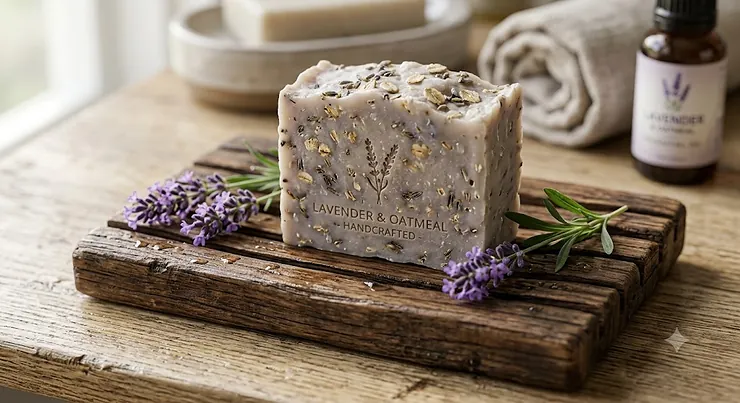
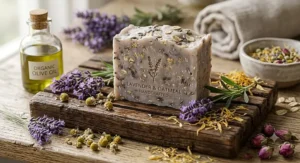
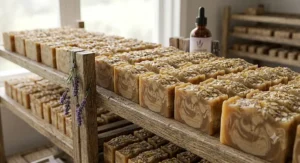
A cold process soap bar is a solid cleansing bar made by mixing fats or oils with lye (sodium hydroxide) at low temperature, letting the mixture set and cure for several weeks. The result is a genuine soap — not a detergent bar — with retained glycerine and a firmer, longer-lasting texture than mass-produced alternatives.
If you’ve ever wondered why some soap bars turn to mush in a soggy dish while others seem to shrink slowly and gracefully over months, the answer usually traces back to whether — and how well — the cold process method was used, and that’s exactly what we’re unpacking below.
Quick Comparison Table
| Product | Price Range | Best For | Rating Signal |
|---|---|---|---|
| Little Soap Company Olive Oil Soap Bar | Under £5 | Sensitive skin, unperfumed use | Strong, high review volume |
| Cosy Cottage Natural Handmade Soap Bar | Around £7-£8 | Long-lasting everyday bar | Solid, Amazon’s Choice status |
| Friendly Soap Orange & Lavender Bar | Under £5 | Budget-friendly vegan pick | Well-established brand |
| Clyde Soaps Cold Process Mini Gift Box | £10-£15 range | Gifting, trial sizes | Newer, smaller review pool |
| Bristol Soap Company Artisan Mini Bar Pack | £10-£15 range | Variety and travel use | Good, growing reviews |
| UpCircle Cinnamon & Ginger Chai Soap Bar | Under £10 | Upcycled, organic-leaning | Strong niche following |
| Little Soap Company Organic Lavender Bar | £5-£10 range | Organic certification seekers | High review volume, consistent |
Looking at the spread above, the budget and mid-range options cluster tightly between £3 and £10, while the gift-set and mini-bar formats push into the £10-£15 range mostly because you’re paying for packaging and variety, not extra soap. Notice how three of the seven are UK-handmade small-batch brands rather than mass manufacturers — that’s deliberate, because cold process as a method tends to survive best in smaller production runs where curing time isn’t rushed. If you’re comparing purely on cost-per-gram, the unperfumed and organic Little Soap Company bars actually come out ahead of the flashier gift sets.
💬 Just one click — help others make better buying decisions too!😊
Top 7 Cold Process Soap Bars: Expert Analysis
1. Little Soap Company Olive Oil Soap Bar — best for sensitive, reactive skin
The standout here is simplicity: this is essentially a modern take on Castile soap, built almost entirely from olive and coconut oil with nothing added to irritate reactive skin. It’s made using the traditional saponification method, where sodium olivate and sodium cocoate — the soap-salts formed when olive and coconut oil react with lye — do all the cleansing work, with no synthetic detergents anywhere on the ingredients list.
At 100g and completely unperfumed, this bar skips essential oils and synthetic fragrance entirely, which matters if you’re managing eczema-prone or fragrance-sensitive skin. Based on the ingredient profile, the higher olive oil content gives it that slightly tacky, creamy lather typical of Castile-style bars rather than the big bubbly foam you’d get from a coconut-oil-heavy recipe — a trait some buyers love and others find takes adjustment.
This is best suited to anyone who has been told to avoid SLS, parabens and synthetic fragrance by a dermatologist, or who simply wants one bar that won’t argue with sensitive facial skin as well as the body. Reviewers consistently report that it lasts well and doesn’t leave the tight, stripped feeling that some commercial bars cause, though a handful mention the bar softening faster if left sitting in water.
Pros:
- ✅ Fragrance-free formula suits reactive and eczema-prone skin
- ✅ Simple, transparent ingredient list with no SLS or parabens
- ✅ Doubles as a gentle makeup brush cleaner
Cons:
- ❌ Castile-style lather feels different from foamy commercial bars
- ❌ Softens faster than firmer palm-free recipes if left wet
Priced comfortably under £5, this sits at the most accessible end of genuine cold process soap — a sensible starting point if you’ve never tried the method before.
2. Cosy Cottage Natural Handmade Soap Bar — best for long-lasting daily use
What immediately stands out about this Yorkshire-made bar is how compact yet dense it feels for its size — the brand explicitly credits the cold process method for that density, and it shows in how slowly the bar wears down compared with typical supermarket soap. Available in 55g and 110g sizes, it’s built around a coconut-oil base with no palm oil, which keeps the carbon footprint and rainforest-sourcing question off the table entirely.
The 55g bar, according to the maker, comfortably lasts months of everyday basin or shower use — a claim that lines up with what you’d expect from a properly cured, harder cold process bar rather than a rushed melt-and-pour alternative. On paper this means a genuinely lower cost-per-wash than the sticker price suggests, since you’re not replacing the bar every fortnight the way you might with a softer glycerine bar.
This suits anyone irritated by how quickly cheap bars disappear down the plughole, and it’s a strong pick for households trying to cut down on packaging waste since Cosy Cottage ships in recyclable, plastic-free wrapping. What the price tag won’t tell you outright is that the scent range is genuinely varied — five options at last count — so there’s room to match the bar to a bathroom or a gift recipient rather than settling for “unscented and done.”
Pros:
- ✅ Handmade in the UK with locally sourced ingredients
- ✅ No palm oil, recyclable and largely plastic-free packaging
- ✅ Noticeably long-lasting even in the smaller 55g size
Cons:
- ❌ Smaller 55g bar has less scent-per-pound value than 110g
- ❌ Some scent variants have a smaller review pool than others
At around £7-£8 for the smaller size, it sits mid-range, and the value case strengthens considerably if you buy the 110g bath bar instead.
3. Friendly Soap Orange & Lavender Bar — best budget vegan pick
Friendly Soap built its entire identity around the cold-process method, and the brand is refreshingly upfront that the process creates zero by-products — the fats fully convert to soap and glycerine, with nothing wasted in the vat. This particular bar pairs orange and lavender essential oils, giving it a genuinely dual-purpose feel: bright enough for morning use, calming enough for the evening.
Weighing in modestly at under 100g, it’s a smaller bar than some competitors, which is worth factoring into your cost-per-gram maths even though the unit price looks cheap. Based on the formulation, the essential-oil-only fragrancing (rather than synthetic fragrance oils) tends to fade a little faster than perfumed commercial soap, which is the trade-off you accept for avoiding synthetic additives.
This is the bar to reach for if budget is the primary filter and you still want a genuinely vegan, cruelty-free, palm-oil-free product rather than a “natural-washed” supermarket bar. Aggregated customer sentiment on Friendly Soap’s wider range points to strong loyalty among buyers who specifically sought out plastic-free, palm-free bathroom products, though a minority note the scent doesn’t linger as long as they’d like.
Pros:
- ✅ Genuinely low price point for a real cold process bar
- ✅ Vegan, cruelty-free and completely palm-oil-free
- ✅ Zero-waste production process by design
Cons:
- ❌ Smaller bar size than some rivals at a similar price
- ❌ Essential oil scent fades faster than synthetic fragrance
Sitting comfortably under £5, this is arguably the easiest entry point into cold process soap for someone testing the waters before committing to pricier artisan brands.
4. Clyde Soaps Cold Process Mini Gift Box — best for gifting and sampling scents
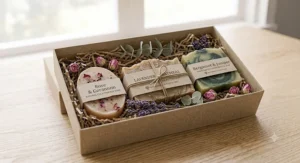
The clue is in the name — this is explicitly marketed as a cold process product, and the mini-bar format solves a real problem: committing to a full-size bar in a scent you’ve never smelled. The gift box format bundles several smaller bars, letting you (or the person you’re buying for) trial a handful of fragrances without the commitment of a full 100g+ bar in each.
Each mini bar is made from a similar palm-oil-free, plastic-free base to other UK artisan brands in this list, and the standout advantage is presentation — this is a bar built to be given, not just used, with packaging designed for unboxing rather than function alone. What most buyers overlook about mini-bar gift sets is that the smaller surface-area-to-volume ratio means each bar tends to wear down faster than a full-size bar, so treat this as a taster pack rather than a long-term bathroom staple.
This suits anyone buying a Christmas stocking filler, a thank-you gift, or a “try before you commit to a full bar” purchase for someone new to natural soap. As a newer entrant to Amazon’s marketplace, the review pool here is smaller than the more established brands on this list, so it’s worth reading a handful of recent reviews before assuming consistency across every scent in the box.
Pros:
- ✅ Lets you sample multiple scents before buying full-size bars
- ✅ Palm-oil and plastic-free, in keeping with cold process values
- ✅ Genuinely gift-appropriate presentation and unboxing
Cons:
- ❌ Smaller review pool than more established competitors
- ❌ Mini bars wear down faster than full-size equivalents
Priced in the £10-£15 range for the box, the per-gram cost is higher than a single full-size bar, but that premium buys variety and presentation rather than raw soap volume.
5. Bristol Soap Company Artisan Mini Bar Pack — best for travel and variety
This eight-bar pack of 15g essential-oil-scented soaps built on shea butter and coconut oil solves a genuinely practical problem: travelling without a bulky, half-used bar rattling around your washbag. Each mini bar is individually sized, so you can post a couple to a friend, keep one in a gym bag, and leave the rest at home without the whole batch drying out or picking up dust.
Based on the shea-and-coconut base, expect a firmer, longer-lasting bar per gram than a pure olive oil recipe, with the coconut oil contributing to a noticeably bubblier lather that some cold process purists specifically seek out. The cruelty-free and vegan positioning puts it in line with the rest of this list, and the multi-bar format means you’re not stuck with a single scent if your preferences shift with the seasons.
This is the pick for frequent travellers, students in shared bathrooms who want their own clearly-labelled bar, or anyone who simply likes rotating scents rather than committing to one bar for months. Reviewers on similar Bristol Soap Company multi-packs consistently note good value for the bar count, though a smaller subset flag that fragrance strength is milder than commercial alternatives — again, the trade-off of essential oils over synthetic fragrance.
Pros:
- ✅ Eight travel-friendly bars ideal for shared or on-the-go use
- ✅ Shea butter and coconut oil base gives a fuller lather
- ✅ Good value when measured across the full eight-bar count
Cons:
- ❌ Individual bars are small and wear down quickly
- ❌ Milder scent throw than synthetically fragranced soap
At around £10-£15 for the full pack, the cost-per-bar undercuts most single artisan bars once you divide it across all eight.
6. UpCircle Cinnamon & Ginger Chai Soap Bar — best for upcycled, ethically-sourced ingredients
UpCircle built its whole brand identity on using upcycled ingredients that would otherwise go to waste — spent coffee grounds, chai spice residue, and similar byproducts — folded into genuinely certified organic, vegan formulations. The cinnamon and ginger chai variant leans into warming spice notes, which stands out in a category dominated by lavender and citrus.
Certified organic status means the ingredient sourcing has been independently verified rather than just marketed as “natural,” which matters if you specifically care about traceability. Here’s what the spec sheet won’t tell you outright: upcycled ingredients like spent spice residue can introduce slightly more batch-to-batch variation in colour and texture than a bar built from single-source virgin oils, so don’t expect two bars from different batches to look identical.
This suits ethically-minded buyers who prioritise circular-economy sourcing as much as skin performance, and who don’t mind paying a small premium for that verification. Aggregated reviewer sentiment for UpCircle’s wider soap range trends positive around scent uniqueness and the brand’s sustainability story, with occasional comments that the exfoliating texture (where present in certain variants) isn’t to everyone’s taste.
Pros:
- ✅ Certified organic with genuinely traceable, upcycled ingredients
- ✅ Distinctive spice-forward scent not found in most competitors
- ✅ Strong sustainability credentials beyond just “natural” marketing
Cons:
- ❌ Batch-to-batch variation more noticeable than single-oil bars
- ❌ Premium pricing compared with simpler formulations
Sitting under £10, it’s positioned as an affordable entry into the “verified organic” tier without tipping into luxury spa pricing.
7. Little Soap Company Organic Lavender Bar — best for organic certification seekers
This 110g bar sits at the premium end of the Little Soap Company range specifically because the oils used are certified organic rather than conventionally sourced — a distinction the brand is explicit about, noting that the non-organic version exists mainly to bring the price down for budget buyers. English lavender essential oil does the fragrancing here, avoiding synthetic fragrance blends entirely.
The larger 110g size compared with the brand’s 100g olive oil bar gives you more soap per purchase, and based on the shared production method, expect the same creamy, moderate lather you’d get from any olive-and-coconut-oil cold process base, just with the added reassurance of organic certification behind the sourcing. What most buyers overlook about organic certification specifically is that it governs how the raw ingredients were farmed, not necessarily how much gentler the finished bar feels on skin — the two aren’t automatically the same thing.
This is the right call for anyone who wants their bathroom cabinet to match a broader household commitment to organic products, or who’s specifically trying to reduce pesticide-adjacent ingredient exposure. Reviewers consistently score this bar highly, with the lavender scent frequently singled out as calming without being overpowering, and only occasional notes about the bar being on the smaller side relative to bath-size soaps from other categories.
Pros:
- ✅ Certified organic sourcing, not just “natural” branding
- ✅ Calming lavender scent well-reviewed across a large sample
- ✅ Larger 110g size than the brand’s entry-level bar
Cons:
- ❌ Costs more than the same brand’s unperfumed olive oil bar
- ❌ Organic certification doesn’t guarantee a gentler feel alone
Priced in the £5-£10 range, it’s a reasonable premium over the brand’s own budget bar, and worth it specifically if organic sourcing is a personal priority rather than a nice-to-have.
Top 7 Cold Process Soap Bars: Full Comparison
| Product | Base Oils | Weight | Price Range | Best For |
|---|---|---|---|---|
| Little Soap Company Olive Oil Soap Bar | Olive, coconut | 100g | Under £5 | Sensitive skin |
| Cosy Cottage Natural Handmade Soap Bar | Coconut-based | 55g/110g | £7-£8 | Everyday longevity |
| Friendly Soap Orange & Lavender Bar | Vegetable oils | ~95g | Under £5 | Budget vegan use |
| Clyde Soaps Cold Process Mini Gift Box | Mixed | Mini bars | £10-£15 | Gifting/sampling |
| Bristol Soap Company Artisan Mini Bar Pack | Shea, coconut | 8 x 15g | £10-£15 | Travel variety |
| UpCircle Cinnamon & Ginger Chai Soap Bar | Organic, upcycled | ~100g | Under £10 | Ethical sourcing |
| Little Soap Company Organic Lavender Bar | Organic olive, coconut | 110g | £5-£10 | Organic certification |
Stacked side by side, the pattern that jumps out is how tightly clustered the budget options are — three of seven sit under £5 — while the price climbs mainly for multi-bar formats and certified-organic sourcing rather than for size alone. If you’re shopping purely on cost-per-gram, Little Soap Company’s unperfumed olive oil bar and Friendly Soap’s orange and lavender bar are the two hardest to beat. Buyers prioritising longevity over price should lean toward Cosy Cottage, since its density claims are backed by the brand’s own cold process curing process rather than marketing language alone.
What is Saponification? (Why It Matters for Every Bar on This List)
Saponification is the chemical reaction that turns oil into soap: fats react with an alkali — typically sodium hydroxide, better known as lye — to produce soap molecules and glycerine as a natural byproduct. Every genuine cold process bar, including all seven above, relies on this exact reaction, just carried out at room temperature rather than with added heat. As Wikipedia’s overview of the reaction explains, esters are split into fatty-acid salts and alcohol by an aqueous alkali, almost always a sodium hydroxide solution in traditional soap-making.
In soap-making terms, that means the triglycerides in olive oil, coconut oil or shea butter break apart under the lye’s influence, releasing fatty acid salts — the actual soap — alongside glycerine, which stays in the bar unless the maker deliberately removes it. Vegetable oils and animal fats are the traditional raw materials for this process, and they’re usually blends of several different fatty acids rather than a single pure one, which is exactly why combining olive, coconut and shea butter (as several bars on this list do) produces a bar with different hardness and lather than a single-oil soap.
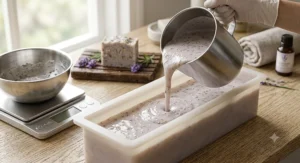
The “cold” in cold process simply refers to not actively heating the mixture during the reaction — the chemical process still generates its own heat internally, but no external heat source is applied, unlike the hot process method. This matters practically because cold process bars need three to six weeks of curing time afterwards to fully complete the reaction and lose excess moisture, which is exactly why rushed, cheaply-made “handmade” bars sometimes stay soft, soapy-tasting (yes, really) or irritant on skin — they simply weren’t given time to finish curing.
The Lye Soap Bar Question: Should That Word Worry You?
If you’ve spotted “lye soap bar” while researching and felt a flicker of concern, that’s a fair reaction — lye is genuinely caustic in its raw form. But here’s the honest answer: every true soap bar, cold process or otherwise, was made using lye at some stage, because lye is the only practical way to trigger saponification at home or commercial scale. The finished bar you buy contains no leftover lye; it’s been fully converted into soap and glycerine during the reaction and subsequent cure.
Lye’s high solubility in water is exactly what makes it effective as the reactive base in saponification, and the fat you pair it with shapes the finished bar’s character — harder fats like tallow tend to yield harsher soap, while softer oils such as olive oil produce a noticeably gentler result. That’s a useful piece of practical knowledge when comparing bars: a soap made predominantly from olive oil (like several on this list) will generally feel gentler than one leaning heavily on harder fats, purely because of how the underlying fatty acid profile behaves after saponification.
What actually should concern you isn’t the word “lye” on an ingredients discussion — it’s a bar that hasn’t cured properly, which can leave it with a higher, more irritating pH than a fully cured bar. Reputable UK sellers cure their bars for the recommended several weeks before sale; if a bar feels unusually soft, greasy, or causes stinging on first use, that’s more likely a curing or formulation issue than anything inherent to the lye-based method itself.
Full Fat Soap Bar: What “Full Fat” Actually Means Here
“Full fat soap bar” isn’t industry jargon exactly, but it’s a phrase that’s crept into how buyers describe soap made with generous fat-to-lye ratios and, crucially, unremoved glycerine — as opposed to commercial “soap” bars that have had their natural glycerine stripped out and sold separately for cosmetics manufacturing. A full fat cold process bar keeps that glycerine in place, which is a large part of why handmade bars feel noticeably more moisturising than a supermarket bar of the same size.
In practice, this comes down to what’s called “superfatting” during the soap-making process — deliberately using slightly more oil than the lye can fully convert, so a small percentage of unreacted, skin-nourishing oil remains in the finished bar. Based on the ingredient lists across this list’s seven products, most UK artisan cold process bars are formulated this way by default, which is part of what separates them from mass-market bars optimised for shelf life and manufacturing cost rather than skin feel.
The practical upshot: if a bar’s ingredient list reads mostly as “sodium [oil name]-ate” (sodium olivate, sodium cocoate, and so on) rather than a long list of synthetic surfactants, you’re almost certainly looking at a genuine full fat, glycerine-retained cold process bar rather than a detergent bar dressed up as one.

How to Choose a Cold Process Soap Bar
- Check the base oil. Olive-oil-heavy bars (like Castile-style recipes) suit sensitive and reactive skin best; coconut-oil-heavy bars lather more but can be slightly more drying for very dry skin types.
- Confirm it’s genuinely cold process, not melt-and-pour. Genuine cold process bars list saponified oils (sodium olivate, sodium cocoate) rather than a pre-made “soap base” — check the ingredients, not just the marketing.
- Match fragrance to sensitivity. Essential-oil-scented bars suit sensitive skin better than synthetic fragrance blends, though they fade faster — decide which trade-off matters more to you.
- Weigh cost-per-gram, not just sticker price. A £4 bar at 100g often beats a £12 gift box on pure value, even though the upfront number looks higher for the gift set.
- Look for palm-oil-free formulations if sustainability matters to you. Several UK brands, including three on this list, have deliberately removed palm oil over rainforest and biodiversity concerns.
- Read aggregated review themes, not star ratings alone. A 4.2-star average tells you less than repeated comments about longevity, scent strength, or skin reactions.
- Consider curing signals. A firm, slightly matte bar (rather than glossy or soft) is generally a sign of a properly cured cold process soap.
Practical Usage Guide: Getting the Most From Your Cold Process Bar
Cold process soap performs very differently depending on how you store and use it, and this is exactly the sort of detail Amazon’s product page skips over entirely. Getting the basics right in the first month genuinely changes how long a bar lasts and how it feels on your skin.
Start by keeping the bar out of standing water between uses — a soap dish with drainage holes or a raised ridge makes a noticeably bigger difference to bar longevity than the soap formulation itself. Cold process bars, because they retain glycerine, are more hygroscopic (moisture-attracting) than stripped commercial soap, so a bar left sitting in a puddle at the bottom of a shower caddy will soften and dissolve far faster than the same bar kept dry between uses.
In the first 30 days, resist the urge to keep the bar constantly wet “to build a lather bank” — some buyers do this instinctively and end up with a mushy bar within two weeks. Instead, wet your hands or a flannel, work up a lather away from the bar itself, and let the bar dry fully between showers. If you’re travelling, a ventilated soap tin (rather than a sealed plastic bag) prevents the bar sweating and going soft in transit. For gifted or stored bars, keep them somewhere cool and dry rather than in a steamy bathroom cupboard — cold process soap can actually continue to mellow and improve in scent for months if stored well, unlike commercial soap which is chemically stable from the day it’s made.
Cold Process Soap for Sensitive Skin
Sensitive and reaction-prone skin is arguably where cold process soap earns its reputation most convincingly, and it’s worth understanding why before assuming any “natural” label automatically means gentler. As Green People’s skin-focused comparison of soap and shower gel notes, solid soap bars naturally sit at a higher pH than skin itself, which can be drying for sensitive skin regardless of how the bar was made — that’s true of any true soap, cold process or otherwise, so the pH point isn’t unique to this method.
What is distinctive about well-made cold process bars for sensitive skin is the combination of retained glycerine and the absence of synthetic detergents like SLS. Shower gels, by contrast, are typically built around Sodium Lauryl Sulphate or the gentler Sodium Coco Sulphate as their primary surfactant, and SLS specifically has a track record of leaving some users’ skin feeling dry, sensitive or irritated. That’s precisely why unperfumed, olive-oil-forward bars like Little Soap Company’s Castile-style option tend to outperform commercial shower gel for buyers managing eczema, psoriasis, or general reactivity — the trade-off of a slightly higher pH is often offset by having far fewer synthetic irritants in the formulation overall.
If you’re specifically choosing for sensitive skin, prioritise unperfumed or lightly essential-oil-scented bars over anything with a long synthetic fragrance list, and patch-test a new bar on your inner arm for 48 hours before using it on your face — a sensible precaution regardless of how “natural” the marketing sounds.
Cold Process Soap vs Shower Gel
The honest answer to “which is better” is that it depends entirely on what you’re optimising for, and the comparison isn’t as one-sided as either camp’s marketing suggests. Whether you reach for a bar or a bottle, both formats work the same basic way — surfactants reduce surface tension and let oily debris be emulsified and rinsed away — but the real difference lies in how each is manufactured and how that affects your skin’s natural barrier over time.
Cold process bars win decisively on packaging waste — a single bar typically replaces two to three plastic shower gel bottles over its lifetime, with zero ongoing plastic footprint if you’re buying from brands using card or paper packaging. They also tend to win on ingredient transparency; a cold process bar’s ingredient list is usually four to eight items, compared with the fifteen-plus ingredients typical of a commercial shower gel. Where shower gel pulls ahead is convenience in a shared shower (no soggy bar to argue over) and, for some genuinely oily or acne-prone skin types, the lighter-touch cleansing that avoids over-stripping.
On balance, if eco-credentials, skin sensitivity, and long-term cost-per-wash matter most to you, a well-made cold process bar is very hard to beat. If you specifically need heavy fragrance, foam-bath-style lather, or you’re managing very oily skin that benefits from a lighter surfactant, shower gel still has a legitimate place in the routine — and there’s no reason you can’t use both.
Common Mistakes When Buying a Cold Process Soap Bar
Even careful shoppers trip over a handful of recurring pitfalls in this category, and most of them are avoidable once you know what to look for. The single biggest mistake is assuming “handmade” automatically means cold process — plenty of melt-and-pour soap (which uses a pre-made glycerine base rather than raw saponification) gets marketed as handmade too, and it behaves very differently on skin and in the shower.
A second common error is buying purely on scent description without checking whether the fragrance comes from essential oils or synthetic fragrance oils — both are legitimate choices, but they age, fade, and interact with sensitive skin very differently, and buyers are often disappointed when a “lavender” bar smells nothing like the description because of how essential oils behave once saponified. Third, shoppers frequently ignore weight entirely and compare bars purely on unit price, which distorts value comparisons badly when bar sizes range from 15g mini bars to 110g bath bars within the same search results. Finally, don’t assume a higher price automatically means a better bar — as this list shows, some of the most consistently well-reviewed options sit under £5, while premium pricing more often reflects certification, packaging, or gifting format than a meaningfully superior formulation.
Real-World Scenarios: Which Bar Suits You?
If you’re a student in shared university accommodation with a limited budget and a bathroom cabinet you don’t fully control, the Friendly Soap orange and lavender bar or the Bristol Soap Company mini bar pack make the most sense — low individual cost, and in the mini-pack’s case, a personal bar you can identify as yours in a shared shower.
If you’re managing eczema or generally reactive skin and have been advised to avoid synthetic fragrance and SLS, the unperfumed Little Soap Company Olive Oil Soap Bar is the most defensible choice on this list — simple ingredients, no added fragrance, and a formulation built specifically around sensitivity rather than scent appeal.
If you’re buying a gift for someone who already owns “enough” candles and bath bombs, the Clyde Soaps mini gift box solves the presentation problem directly, letting the recipient sample scents rather than committing them to one. And if you’re trying to make a broader household shift toward organic, sustainably-sourced bathroom products and you’re willing to pay a small premium for that assurance, the Little Soap Company Organic Lavender Bar is built specifically for that priority.
Long-Term Cost & Maintenance
Cold process soap’s value case only really shows up once you calculate cost-per-wash rather than cost-per-bar, and the maths tends to favour handmade bars more than shoppers expect. A well-cured 100g bar, stored on a draining soap dish, typically lasts six to ten weeks of daily use for one person — considerably longer than the equivalent volume of shower gel, which tends to get used more liberally per application.
Over a year, that works out to roughly five to eight bars per person for a bar in the Little Soap Company or Friendly Soap price range, putting annual spend somewhere in the £20-£35 territory depending on which bar and how carefully it’s stored — genuinely comparable to, and often cheaper than, a year’s supply of branded shower gel once you factor in how quickly bottles empty. Maintenance itself is minimal: a draining dish, keeping the bar dry between uses, and storing spares somewhere cool and ventilated is the entire care routine, with no expiry date pressure the way liquid cosmetics often carry.
Safety, Regulation and Compliance Guide
Every cosmetic soap bar sold in the UK — cold process or otherwise — falls under the same legal framework, and it’s worth knowing the basics as a buyer, not just as a maker. Regardless of business size, production volume, or where a soap is made, every product sold to the public must meet the same safety and notification requirements under the UK’s retained cosmetics regulation, which traces back to the EU Cosmetics Regulation carried into UK law after Brexit.
For small UK soap makers specifically, this means every genuine seller — including artisan brands like the ones featured in this guide — is required to hold a valid safety assessment for each product and register it before sale, with Trading Standards empowered to inspect and enforce compliance both at craft fairs and through online marketplaces. If you’re ever unsure whether a seller is legitimate, a properly labelled bar should list full ingredients (usually in INCI naming, like “Sodium Olivate” rather than just “olive oil soap”), a UK responsible person’s address, and a use-by or best-before indication where relevant.
As a buyer, none of this should put you off cold process soap — if anything, it’s reassuring that the same safety net covering big cosmetics brands applies equally to the small Yorkshire or Bristol workshop making your next bar.
Frequently Asked Questions
❓ Is cold process soap the same as saponified soap?
❓ How long does a cold process soap bar actually last?
❓ Can cold process soap bars be used on the face?
❓ Why does my cold process soap bar go soft so quickly?
❓ Is cold process soap suitable for eczema-prone skin?
Conclusion
Cold process soap bars aren’t a fad dressed up in kraft paper packaging — they’re a genuinely different product from mass-market bar soap, built on a chemical process that’s centuries old and, when done properly, produces something noticeably gentler and longer-lasting than what most of us grew up washing with. Across the seven bars covered here, the pattern holds true regardless of price point: real saponified oils, retained glycerine, and a curing process that gives the finished bar its distinctive firmness and longevity.
Whether you land on the budget-friendly Friendly Soap bar, the sensitive-skin-focused Little Soap Company olive oil option, or a gifting format like the Clyde Soaps mini box, the underlying method is the same honest chemistry — fats, lye, time, and patience. That’s worth remembering next time a “handmade” label on a shelf doesn’t quite specify which process actually made the bar.
✨ Don’t Miss These Exclusive Deals!
🔍 Take your bathroom cabinet to the next level with these carefully selected cold process soap bars. Click on any highlighted item to check current pricing and availability. These bars will help you build a genuinely eco-friendly, skin-kind washing routine your whole household will notice!
Recommended for You
- Handmade Soap Bar for Dry Skin: 7 Genuinely Kind Picks (2026)
- Handmade Soap Bar Gift Set: 7 Genuinely Gorgeous UK Picks (2026)
- Handmade Soap Bar: 7 Artisan Pick; Buying Guide (2026)
Disclaimer: This article contains affiliate links. As an Amazon Associate, I earn from qualifying purchases. If you purchase products through these links, we may earn a small commission at no additional cost to you.
✨ Found this helpful? Share it with your friends! 💬🤗
