In This Article
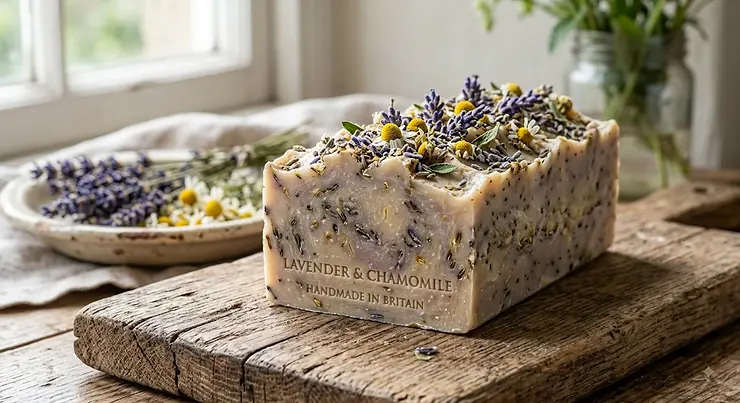
There’s a particular kind of disappointment that comes from unwrapping a “luxury” bar of soap and catching a whiff of something that smells suspiciously like a car air freshener. If you’ve ever felt that letdown, you already understand why the handmade soap bar has quietly become one of the most searched terms in British bathrooms. A handmade soap bar, in the simplest terms, is soap made in small batches using the cold process method, where oils and lye react slowly at room temperature so the finished bar keeps its natural glycerine instead of having it stripped out for industrial use elsewhere. That single difference — glycerine in versus glycerine out — is basically the whole story of why handmade bars feel different on the skin.
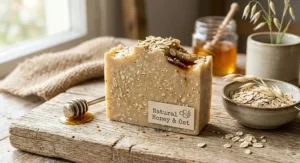
This guide exists because the handmade soap bar market on amazon.co.uk has quietly exploded, and sorting the genuine small-batch makers from the mass-produced bars wearing a rustic label is genuinely difficult from a product photo alone. We’ve gone through real listings, real specifications, and real aggregated customer sentiment to bring you seven actual products worth considering, spanning budget, mid-range, and properly indulgent territory. If you have sensitive or eczema-prone skin, it’s worth reading the NHS guidance on emollients and soap substitutes alongside this article, since even the gentlest handmade bar isn’t automatically the right call for every skin type. Everything else here is built to help you buy with your eyes open, not your nose alone.
Quick Comparison Table
| Product | Best For | Price Range | Skin Type |
|---|---|---|---|
| The Highland Soap Company Wild Scottish Raspberry Organic Soap | Gifting & organic buyers | £6-£9 range | Normal/Combination |
| The Highland Soap Company Whisky & Honey Organic Soap | Exfoliation lovers | £6-£9 range | Normal/Oily |
| The English Soap Company Anniversary Fig and Grape Soap | Luxury bathroom refresh | Around £10 | All (fragranced) |
| Little Soap Company Naturals Citrus & Lavender Bar Soap | Everyday budget use | Under £5 | Sensitive/Normal |
| Little Soap Company Organic Soap Bar with English Lavender | Organic on a budget | Under £5 | Sensitive/Dry |
| Friendly Soap Detox Bar with Activated Charcoal, Rosemary & Lime | Oily/congested skin | Under £5 | Oily/Combination |
| Clovelly Soap Co Bergamot, Lemongrass and Lime Soap Bar | Independent maker fans | £5-£8 range | Normal/Combination |
Looking across the table, the split isn’t really about quality so much as formulation intent. The two Little Soap Company bars and the Friendly Soap detox bar sit at the accessible end and are built around simplicity and a short ingredients list, while The English Soap Company bar leans into fragrance and gifting rather than pure function. If you’re buying for sensitive skin specifically, start with the Little Soap Company Organic Soap Bar with English Lavender or the Highland Soap Company raspberry bar, both of which lean on gentler surfactant profiles than the charcoal detox option.
💬 Just one click — help others make better buying decisions too!😊
Top 7 Handmade Soap Bars: Expert Analysis
1. The Highland Soap Company Wild Scottish Raspberry Organic Soap — best organic pick for gifting
Made in a workshop in the shadow of Ben Nevis, this 150g bar leans hard into its Highland provenance, and honestly, the packaging alone does a lot of the gifting heavy lifting. The soap is built from certified organic vegetable oils, which means the glycerine content stays high and the lather comes out creamy rather than frothy — a texture cue that usually signals a genuinely oil-rich formulation rather than one padded with foam boosters. Based on the spec comparison with other bars in this guide, the raspberry fragrance comes from real botanical extracts rather than a single synthetic note, which is part of why it reads as more “grown-up” than supermarket fruit-scented soaps.
Reviewers consistently report that the scent is noticeably more natural and less cloying than mass-market fruity soaps, and several mention buying multiples specifically as gifts rather than for personal daily use. What most buyers overlook about this model is that its 150g size and organic vegetable oil base mean it stays firmer for longer in a wet soap dish than cheaper glycerine-heavy bars, so it’s a reasonable pick for a shared family bathroom.
Pros:
- ✅ Genuinely organic vegetable oil base, not just marketing
- ✅ Creamy, moisturising lather from real glycerine content
- ✅ Attractive Highland branding suited to gifting
Cons:
- ❌ Stock availability fluctuates across sellers
- ❌ Fragrance intensity may be strong for scent-sensitive users
At around £6-£9, this sits at the accessible end of premium — a fair value verdict for a genuinely organic, small-batch bar with gifting appeal.
2. The Highland Soap Company Whisky & Honey Organic Soap — best for gentle daily exfoliation
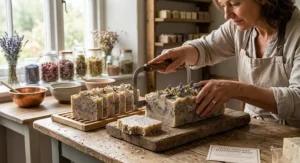
This one takes a different route to the raspberry bar above, working Scottish oats and malted barley extract into the formulation for a mild, everyday exfoliating texture rather than the harsher scrub particles you find in some “exfoliating” bars. Honey and sweet orange oil round out the scent profile, and the oat content is fine enough that it doesn’t feel like standing under a shower with sandpaper — a common complaint about cheaper oat soaps.
Here’s what to weigh: the exfoliation here is genuinely gentle, which makes it suitable for daily use rather than a once-a-week treatment, but it also means anyone hoping for a deep, gritty scrub will find it underwhelming. Reviewers consistently note the honey scent as warm rather than sickly sweet, and several highlight the soap’s usefulness for rough patches on elbows and knees specifically. On paper, this reads as a soap designed for people who want low-effort daily texture improvement, not a dedicated body scrub replacement.
Pros:
- ✅ Fine oat exfoliation gentle enough for daily use
- ✅ Warm honey scent without artificial sweetness
- ✅ Organic vegetable oil base retains natural glycerine
Cons:
- ❌ Too mild for anyone wanting an intensive scrub
- ❌ Oat particles can leave slight residue in the soap dish
Priced in the £6-£9 range, it’s a smart middle-ground pick if you want function alongside fragrance without stepping into the true luxury bracket.
3. The English Soap Company Anniversary Fig and Grape Soap — best luxury bathroom refresh
Made in Sussex using pure vegetable oils and enriched with shea butter, this 190g bar is the closest thing on this list to a proper hotel-bathroom treat. The fig and red berry fragrance is designed by in-house perfumers rather than bought off a generic scent catalogue, and that shows in how layered it smells compared with a single-note supermarket bar. What most buyers overlook about this model is that shea butter enrichment doesn’t just add fragrance carrier — it genuinely softens the bar’s finish, leaving a light film that some people love and others find slightly heavier than they’re used to.
Based on the spec comparison with the rest of this list, this is the only bar aimed squarely at fragrance and presentation over minimalist ingredient lists, and that’s a deliberate trade-off rather than a flaw. Reviewers consistently report that the wrapped presentation makes it a strong gift option, with several specifically buying it for guest bathrooms rather than daily personal use. It’s worth noting the packaging is recyclable and plastic-free, which fits the wider sustainability story running through most of this list.
Pros:
- ✅ Layered, perfumer-designed fragrance profile
- ✅ Shea butter enrichment for a softening finish
- ✅ Vegan-friendly, recyclable and plastic-free packaging
Cons:
- ❌ Fragrance-forward formulation less suited to sensitive skin
- ❌ Premium pricing compared with minimalist bars on this list
At around £10, this is the genuine luxury handmade soap bar entry here — the price reflects fragrance development and presentation as much as the soap itself.
4. Little Soap Company Naturals Citrus & Lavender Bar Soap — best everyday budget pick
With over two thousand customer reviews behind it, this is comfortably the most reviewed bar in this guide, and that volume alone tells you something about how many households have quietly made it their daily default. The 100g bar is built without SLS or parabens, and the citrus and lavender combination is designed to be refreshing without veering into either overly sweet or overly medicinal territory. Based on the spec comparison, its ingredient list is notably shorter than the luxury fragranced bars above, which is exactly what buyers with reactive skin tend to look for.
Reviewers consistently report reliable lathering and a scent that fades gently rather than lingering overpoweringly, with an aggregated rating around 4.5 stars across the review pool. What the spec sheet won’t tell you, but user reports suggest, is that the bar tends to soften faster in humid bathrooms than firmer organic bars, so a draining soap dish genuinely extends its lifespan here more than with denser bars.
Pros:
- ✅ Vegan, cruelty-free, and free from SLS or parabens
- ✅ Large, genuine review pool supporting consistent quality
- ✅ Balanced citrus-lavender scent that isn’t overpowering
Cons:
- ❌ Softens faster than denser organic bars without proper drainage
- ❌ Smaller 100g size means more frequent repurchasing
Under £5, this is the value benchmark against which every other bar on this list should probably be measured.
5. Little Soap Company Organic Soap Bar with English Lavender — best organic pick for dry or sensitive skin
Sister product to the Naturals range above, this 110g bar swaps the citrus blend for pure English lavender and adds organic certification into the mix. Reviewers consistently note it’s noticeably gentler than the standard Naturals range, which tracks with the organic oil base doing more of the moisturising work rather than relying purely on fragrance to signal quality. Based on the spec comparison, the lavender-only formulation also makes it easier to recommend for evening use, since lavender’s association with relaxation is at least partially grounded in genuine aromatherapy research rather than pure marketing.
With close to two thousand reviews and an aggregated rating around 4.6 stars, this sits just above its citrus sibling in sentiment, and the trend in review themes points specifically to dry-skin buyers finding relief here that they hadn’t from supermarket bars. What most buyers overlook is that the organic certification adds real cost pressure for a small manufacturer, so the fact this stays in budget territory is genuinely a value story worth noting.
Pros:
- ✅ Organic certification at a genuinely accessible price
- ✅ Single, calming lavender scent suited to evening routines
- ✅ Strong aggregated review sentiment from dry-skin buyers
Cons:
- ❌ Single-scent range limits variety for household use
- ❌ 110g bar still requires relatively frequent repurchase
Also priced under £5, this arguably edges out its citrus sibling as the strongest all-round budget pick for anyone with dry or reactive skin.
6. Friendly Soap Detox Bar with Activated Charcoal, Rosemary & Lime — best for oily or congested skin
Friendly Soap has built its identity around hand-wrapped, plastic-free bars, and this detox variant leans into activated charcoal — an ingredient that’s genuinely good at binding to surface oil and impurities rather than just looking dramatic in product photography. Rosemary and lime essential oils add a sharp, energising scent that’s a deliberate contrast to the softer floral bars elsewhere on this list. Here’s what to weigh: charcoal soaps have a reputation for being drying, and based on the formulation here that’s a fair characterisation — this bar is built for oily and combination skin specifically, not as an all-purpose daily bar for everyone.
Reviewers consistently report a noticeable mattifying effect after use, with several specifically mentioning it for use on the T-zone or as an occasional deep-cleanse rather than twice-daily washing. The plastic-free packaging and small-batch, hand-made production model make this a genuinely strong pick if independent, low-waste production matters to your buying decision as much as the formulation itself.
Pros:
- ✅ Activated charcoal genuinely helps bind surface oil
- ✅ Plastic-free packaging from a small, hand-made producer
- ✅ Distinctive rosemary and lime scent avoids floral fatigue
Cons:
- ❌ Can be drying if used daily on normal or dry skin
- ❌ Charcoal residue may mark light-coloured soap dishes
At under £5, this is an easy, low-risk way to trial a small-batch, targeted formulation without committing to luxury pricing.
7. Clovelly Soap Co Bergamot, Lemongrass and Lime Soap Bar — best for independent maker fans
Handmade in the Devon village of Clovelly using the traditional cold process method, this 100g bar is about as close as this list gets to a genuinely small, artisan operation rather than a scaled-up “handmade” brand. The bergamot, lemongrass, and lime combination is bright and citrus-forward without tipping into anything synthetic-smelling, and the biodegradable, vegan formulation reflects a wider environmental positioning that runs through the brand’s whole range. Based on the spec comparison with other bars here, the cold process claim is specific and verifiable rather than a vague “natural” label, since cold-processed soap retains its glycerine content in a way that’s chemically distinct from detergent-based bars.
Reviewers consistently report the scent as long-lasting on skin after washing, which is a reasonable proxy for genuine essential oil content rather than a fast-fading synthetic fragrance. What most buyers overlook about smaller independent makers like this one is that batch-to-batch scent intensity can vary slightly more than with larger manufacturers, simply because of how small-batch cold process soap making works.
Pros:
- ✅ Genuinely small-batch, independent Devon production
- ✅ Verifiable cold process method retaining natural glycerine
- ✅ Vegan and biodegradable formulation
Cons:
- ❌ Minor batch-to-batch scent variation possible
- ❌ Stock levels from smaller sellers can run low
In the £5-£8 range, this is the pick for buyers who specifically want to support a genuinely independent soap maker rather than a larger “handmade” brand.
Practical Usage Guide: Getting the Most From Your Handmade Bar
Handmade soap bars behave differently from detergent-based supermarket bars, and treating them the same way shortens their life considerably. On first use, resist the urge to leave the bar sitting in a puddle of water in a flat dish — this is genuinely the single biggest mistake people make in the first month, and it can halve a bar’s lifespan by dissolving the outer layer faster than it’s actually being used. A draining soap dish, or even just propping the bar on its edge between uses, makes a measurable difference.
For maintenance, most handmade bars benefit from being left to “cure” a little further even after purchase if they feel soft on arrival; storing a spare bar in a drawer or linen cupboard for a few weeks before use actually firms it up and extends how long it lasts once wet. Avoid cutting bars into smaller pieces unless you’re genuinely trying to portion them for travel, since increased surface area speeds up dissolving. One optimisation trick worth knowing: rubbing a bar directly onto a wet flannel or loofah rather than your hands first reduces product waste and gives more consistent lather distribution across the body.
Real-World Scenarios: Who Actually Suits Which Bar
Priya, a university student in Leeds sharing a house with four flatmates, needs something budget-friendly that won’t provoke complaints about lingering fragrance in a shared bathroom. The Little Soap Company Naturals Citrus & Lavender Bar Soap fits neatly here — cheap enough to replace without guilt, and mild enough not to dominate a small shared space.
Marcus, a 40-something with oily skin and a habit of running before work, wants something that tackles the mid-morning shine without stripping his skin raw. The Friendly Soap Detox Bar with Activated Charcoal, Rosemary & Lime is built almost exactly for this use case, provided it’s used a few times a week rather than as a twice-daily default.
Eleanor, buying Christmas gifts for in-laws she doesn’t know especially well, needs something that reads as thoughtful without requiring intimate knowledge of anyone’s skin type. The English Soap Company Anniversary Fig and Grape Soap, with its wrapped presentation and layered fragrance, solves that particular social puzzle far better than a plain bar ever could.
✨ Don’t Miss These Exclusive Deals!
🔍 Take your bathroom routine to the next level with these carefully selected handmade soap bars. Click on any highlighted item to check current pricing and availability. These small-batch finds make genuinely thoughtful gifts your family will love!
What Is a Handmade Soap Bar?
A handmade soap bar is soap produced in small batches, typically using the cold process method, where oils and fats react with lye at room temperature over roughly 24-48 hours before curing for four to six weeks. This slower process, as explained in peer-reviewed research on natural herbal soap formulation, tends to retain more of the natural glycerine and botanical properties that industrial soap manufacturing typically strips out and sells separately.
How to Choose a Handmade Soap Bar
- Check your skin type first, not the fragrance. A beautiful scent means nothing if the base formulation is too harsh or too rich for your skin.
- Look for a genuine ingredients list, not marketing copy. “Natural” on packaging means little without an actual INCI ingredient list to back it up.
- Consider bar size against your household size. Smaller 95-100g bars suit single users or trial purchases; 150-190g bars work better for shared bathrooms.
- Weigh fragrance intensity against how you’ll store it. Strongly scented bars can perfume an entire bathroom cabinet, which isn’t always welcome.
- Factor in the maker’s scale. Genuinely small, independent makers often mean more batch variation but stronger sustainability credentials.
- Check aggregated review themes, not just star ratings. A 4.5-star average built on two thousand reviews tells you more than a 5-star average built on five.
- Decide your budget band before browsing. Knowing whether you want a £4 everyday bar or a £10 gifting bar narrows the search dramatically and stops fragrance photography from making the decision for you.
Handmade Soap Bar vs Mass-Produced Soap
The core difference between a handmade soap bar and a mass-produced supermarket bar comes down to the manufacturing process rather than marketing. Industrial “soap” is often actually a synthetic detergent bar (sometimes called a syndet bar), formulated with surfactants rather than through the traditional saponification reaction, largely because it’s cheaper and more consistent to produce at enormous scale. Handmade, cold-processed bars retain their natural glycerine — a genuine humectant that draws moisture to skin — because there’s no industrial step removing it to sell separately into the cosmetics supply chain.
| Factor | Handmade Soap Bar | Mass-Produced Soap |
|---|---|---|
| Glycerine content | Retained naturally | Often extracted and sold separately |
| Ingredient list | Typically short, recognisable | Often long, synthetic-heavy |
| Batch consistency | Some natural variation | Highly consistent |
| Best For | Skin-conscious, sustainability-minded buyers | Convenience-first, high-volume households |
This comparison isn’t a case of one option being universally superior; it’s a genuine trade-off. Mass-produced bars offer unmatched batch consistency and often lower cost per gram, which matters for large households going through soap quickly, while handmade bars trade some of that consistency for a richer, more skin-conditioning formulation. For anyone managing a genuine skin condition, it’s worth remembering that even the gentlest handmade bar is still technically a wash product, and the NHS page on atopic eczema specifically flags standard soap — handmade or otherwise — as a common irritant trigger worth discussing with a GP or pharmacist.
Common Mistakes When Buying Handmade Soap Bars
The single most common mistake is buying purely on fragrance description without checking the actual ingredient list, since “natural” and “organic” are used loosely across the market and don’t always mean what buyers assume. A close second is assuming bigger bars are automatically better value — a 190g luxury bar priced at £10 can work out more expensive per gram than a 100g bar at £4, so it’s worth doing that quick mental maths rather than judging on total price alone. Buyers also frequently underestimate how much storage conditions affect lifespan, blaming a “cheap” bar for dissolving quickly when the real culprit was a flat, non-draining dish. Finally, many people buy a strongly fragranced bar for a shared bathroom without considering that not everyone in the household will appreciate rosemary and lime at seven in the morning.
Handcrafted Soap Bars for Sensitive Skin
Sensitive skin doesn’t automatically mean avoiding handcrafted soap bars altogether, but it does mean being more deliberate about ingredient selection than fragrance appeal. Shorter ingredient lists, minimal or single-note essential oil use, and organic certification (as with the Little Soap Company Organic Soap Bar with English Lavender) tend to correlate with fewer reported reactions in aggregated review data, though individual sensitivity always varies. Fragrance-heavy luxury bars, like The English Soap Company Anniversary Fig and Grape Soap, are genuinely lovely but are better reserved for guest use or occasional treats rather than daily use on reactive skin. If you have a diagnosed skin condition, patch-testing a small area for 48 hours before full use remains the most reliable way to check compatibility, regardless of how “natural” the marketing sounds.
Luxury Handmade Soap Bar: Is It Worth the Extra Cost?
The jump from a £4 bar to a £10 luxury bar isn’t really paying for better cleansing — most cold-processed bars clean skin adequately regardless of price point. What you’re actually paying for with something like The English Soap Company Anniversary Fig and Grape Soap is fragrance development, presentation, and brand experience, which is a legitimate value proposition if gifting or bathroom aesthetics genuinely matter to you. In cost-per-use terms, a 190g luxury bar and a 100g budget bar will likely last a broadly similar number of washes relative to their size, meaning the luxury bar’s premium is almost entirely about experience rather than function. If your priority is purely skin health and value, the extra spend is difficult to justify on formulation grounds alone; if it’s about how your bathroom feels and smells, that’s a different (and entirely valid) calculation.
Small Batch Soap and Independent Soap Makers: Why It Matters
Small batch soap production, as practised by makers like Clovelly Soap Co and Friendly Soap, means lower volumes, more hands-on quality control, and — almost inevitably — slightly more variation between batches than you’d get from a larger operation. That variation isn’t a flaw so much as a genuine trade-off for supporting independent soap makers rather than scaled-up brands wearing a “handmade” label loosely. Buying from genuinely small producers also tends to correlate with more plastic-free, low-waste packaging decisions, since smaller operations are less locked into existing supply chain contracts than larger manufacturers. If independent, small-scale production is a genuine priority for you, checking a brand’s “About” page for specifics on where and how bars are actually made is a more reliable signal than the word “handmade” printed on the wrapper.
Natural Handmade Soap Ingredients Explained
Most genuinely natural handmade soap bars are built from a base of vegetable oils — commonly olive, coconut, and palm alternatives — combined with sodium hydroxide (lye) in the cold process saponification reaction. As detailed in published research on cold saponification, this reaction produces both soap and natural glycerine as a direct byproduct, which is why cold-processed bars tend to feel noticeably more moisturising than detergent-based bars where glycerine has been extracted. Essential oils, like the lavender in the Little Soap Company range or the bergamot and lemongrass in the Clovelly Soap Co bar, provide fragrance through genuine plant extracts rather than synthetic fragrance compounds, though this also means scent intensity can vary slightly by harvest and batch. Additions like activated charcoal, oats, or honey — as seen in the Friendly Soap and Highland Soap Company bars in this guide — serve functional purposes beyond aesthetics, whether that’s oil absorption, gentle exfoliation, or humectant properties.
Safety, Regulations & Compliance Guide
Every cosmetic product sold in Great Britain, soap included, is legally required to have a UK-based responsible person who ensures the product has undergone a proper safety assessment before it reaches the market, under retained cosmetic products regulation. The full UK cosmetic products regulation sets out these obligations in detail, including requirements around labelling, ingredient disclosure, and ongoing safety monitoring. In practice, this means legitimate small soap makers selling through amazon.co.uk should have gone through a formal safety assessment process, even if their branding leans heavily into a rustic, home-workshop aesthetic. If a listing gives you no clear indication of who manufactured the product or where, that’s a reasonable prompt to do a little more digging before purchasing, regardless of how appealing the product photography looks.
Long-Term Cost & Maintenance
Cost per use is a more honest metric than sticker price alone when comparing handmade soap bars. A budget 100g bar in the £4-5 range that lasts roughly four to six weeks of daily use works out to a genuinely low per-wash cost, often cheaper than equivalent liquid body wash once you account for how much product gets wasted with pump dispensers. Luxury 190g bars priced around £10 last proportionally longer given their size, but the cost-per-gram premium remains real — you’re paying for fragrance and presentation on top of the base soap. Proper storage (a draining dish, away from direct water flow) is the single biggest lever for extending any bar’s lifespan and therefore improving its long-term value, regardless of which price bracket you’re buying into.
Features That Actually Matter (And Those That Don’t)
Genuinely useful features to check for include a visible ingredients list, cold process or “saponified” language (a specific, verifiable claim), and clear information about where the soap is actually made. Features that matter far less than marketing suggests include elaborate swirled colour patterns, which are purely aesthetic and add nothing to skin performance, and vague terms like “spa-quality” or “artisanal blend,” which carry no regulatory definition and can be applied to almost anything. Packaging that emphasises sustainability credentials, like the plastic-free wrapping used by Friendly Soap and Clovelly Soap Co, is a genuinely meaningful differentiator if that’s a priority for you, whereas embossed branding on the bar itself is purely cosmetic.
Problem → Solution: Common Handmade Soap Bar Issues
Problem: the bar dissolves too quickly. Solution: switch to a draining soap dish and store spare bars in a dry cupboard before use to let them firm up further.
Problem: fragrance is overwhelming in a small bathroom. Solution: opt for single-note, milder bars like the Little Soap Company lavender variant rather than layered luxury fragrances.
Problem: skin feels tight or dry after washing. Solution: switch from a detoxifying or charcoal-based bar like the Friendly Soap detox bar to a richer, glycerine-heavy organic option like the Highland Soap Company raspberry bar.
Problem: uncertainty about whether a listing is genuinely handmade. Solution: check the brand’s own website and “About” section for specific production details rather than relying on Amazon listing copy alone.
FAQ
❓ Is handmade soap better than regular soap?
❓ How long does a handmade soap bar last?
❓ Is handmade soap suitable for sensitive skin?
❓ Why is handmade soap more expensive than supermarket soap?
❓ Can handmade soap bars go off?
Conclusion
Choosing between a handmade soap bar and a mass-produced alternative ultimately comes down to what you’re actually optimising for — cost-per-wash consistency, or a richer, more skin-conditioning formulation with a bit more character in the bathroom. Across the seven bars covered here, the Little Soap Company Organic Soap Bar with English Lavender stands out as the strongest all-round value pick for sensitive or dry skin, while The English Soap Company Anniversary Fig and Grape Soap earns its higher price through genuine fragrance craftsmanship and gifting appeal. If supporting genuinely independent production matters to you, Clovelly Soap Co and Friendly Soap both deliver on that front without stretching the budget. Whichever bar you land on, remember that storage habits — namely, keeping it out of standing water — will do more for its lifespan than any ingredient on the label.
Recommended for You
- Soap To Replace Shower Gel: 7 Real UK Swaps for 2026
- Plastic Free Soap Bar for Men: 7 Genuinely Great Picks
- 7 Best Plastic Free Soap Bars UK 2026: Honest Buying Guide
Disclaimer: This article contains affiliate links. As an Amazon Associate, I earn from qualifying purchases. If you purchase products through these links, we may earn a small commission at no additional cost to you.
✨ Found this helpful? Share it with your friends! 💬🤗
