In This Article
Your skin is having a rough winter, isn’t it? Tight after every shower, flaky across the knuckles, itchy in that maddening way that makes you scratch mid-meeting. If you’ve landed here, you’ve probably already tried three different “gentle” supermarket bars that promised the earth and delivered squeaky, stripped-back skin instead. That’s usually the moment people start Googling goat milk soap for dry skin — and for good reason. Goat milk contains naturally occurring fats, lactic acid and vitamins that behave rather differently on skin than the detergent-heavy bars most of us grew up lathering with.
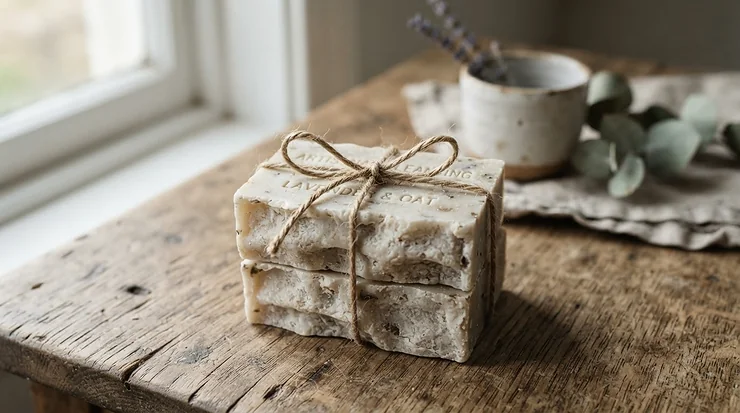
So, what is goat milk soap? In short, it’s a cleansing bar made by saponifying plant oils with real goat’s milk instead of (or alongside) water, which leaves behind fatty acids, cholesterol and mild alpha-hydroxy acids in the finished bar — components that support the skin’s moisture barrier rather than bulldozing through it. It’s not a miracle cure, and it won’t undo years of hot showers overnight, but the formulation logic is sound, and it’s backed by real dermatological thinking about what actually dries skin out in the first place, as the NHS notes when discussing itchy, cracked skin conditions.
Below, we’ve researched seven genuinely available goat milk soap bars sold in the UK, spanning budget-friendly multipacks to small-batch artisan bars, so you can pick one that actually matches your skin — rather than your Instagram feed.
Quick Comparison Table: 7 Best Goat Milk Soap for Dry Skin at a Glance
| Product | Best For | Price Range |
|---|---|---|
| The Goat Skincare Oatmeal Bar | Flaky, itchy dry skin | Under £8 |
| Capure Honey & Oatmeal Soap | Budget multipack daily use | Under £10 (multipack) |
| MooGoo Goat’s Milk Cleansing Bar | Longest-lasting big bar | £8-£12 |
| LALEA Organic Fresh Goat Milk Soap | Eczema-prone dry skin | £8-£13 |
| The Little Goat Soap Company Bar | UK farm-fresh artisan pick | £10-£16 |
| The Goat Skincare Manuka Honey Bar | Nourishing honey-infused wash | Under £9 |
| Stephenson Goat’s Milk Soap Base | Bulk block for big households | £10-£15 per kg |
Looking across the table, the split is fairly clean: the two The Goat Skincare bars and Capure sit at the accessible end for anyone testing the waters, MooGoo and LALEA occupy the mid-range with slightly more targeted formulations, and The Little Goat Soap Company and the Stephenson block serve two very different premium use cases — artisan skincare versus bulk value. None of these are luxury-priced, which says something about how accessible goat milk soap for dry skin has become on amazon.co.uk.
💬 Just one click — help others make better buying decisions too!😊
Top 7 Goat Milk Soap for Dry Skin: Expert Analysis
1. The Goat Skincare Pure Goat’s Milk Soap Bar with Oatmeal — best for flaky, itchy dry skin
Oatmeal in a soap bar isn’t just a marketing flourish; colloidal oatmeal has a genuine track record for calming irritated, flaky skin, and that’s exactly the standout feature here. Each 100g bar combines pure goat’s milk with calendula, avocado oil and coconut oil, and it’s paraben-free with no artificial colours — a formulation clearly built around sensitivity rather than scent. In practice, that means the oatmeal provides gentle physical exfoliation of dead, flaking skin cells while the goat’s milk and avocado oil work to replace lost lipids, so you’re not just removing flakes, you’re addressing why they’re there.
Based on the ingredient profile, this is a strong first pick for anyone whose dry skin tips over into visibly scaly patches on elbows, shins or hands — the classic winter trouble spots. What most buyers overlook is that the Australian brand sources its goat’s milk from ethically farmed herds, which matters if traceability is part of your buying decision. Where verifiable Amazon UK reviews exist for this listing, feedback consistently mentions a milder after-wash feel compared with standard soap, though individual review counts fluctuate, so it’s worth checking the current rating before you buy.
Pros:
- ✅ Colloidal-style oatmeal targets flaking and itching directly
- ✅ Paraben-free, no artificial colours in the formula
- ✅ Small 100g size makes it easy to trial before committing
Cons:
- ❌ Small bar size means frequent repurchasing for daily use
- ❌ Unscented-leaning formula may feel plain to fragrance lovers
At under £8, this sits firmly in impulse-buy territory, and the value case is straightforward: if oatmeal soap from a pharmacy typically costs similarly and does less for you skin-barrier-wise, this earns its place in the basket.

2. Capure Goat Milk Soap with Honey and Oatmeal — best budget multipack for daily use
Sold and dispatched via Amazon UK’s own fulfilment network, this 85g bar pairs honey with oatmeal on a goat milk base, and it’s also available as a five-pack — which is the standout feature for anyone who wants to stock the whole bathroom without a second order. Honey is a natural humectant, meaning it draws moisture into the skin rather than simply sitting on the surface, while the oatmeal handles gentle exfoliation of rough patches.
Here’s what to weigh: at 85g per bar, these are noticeably smaller than premium 100g-130g bars, so per-gram value only really stacks up when you buy the multipack rather than a single bar. For households with more than one dry-skin sufferer — think a parent and a teenager both battling winter arms — the five-pack format solves the “everyone needs their own bar” logistics problem cheaply. Reviewers on the Amazon UK listing report the fulfilment speed and freshness of the bars positively, though as with any handmade-adjacent product, batch consistency in scent strength has been noted by some buyers.
Pros:
- ✅ Honey adds genuine humectant, moisture-drawing properties
- ✅ Five-pack option delivers strong value per bar
- ✅ Fulfilled by Amazon, so delivery timing is predictable
Cons:
- ❌ Individual 85g bars are on the smaller side
- ❌ Scent strength reportedly varies slightly between batches
Priced under £10 for the multipack, this is the sensible default for a family bathroom cabinet rather than a single indulgent treat.
3. MooGoo Fresh Goat’s Milk Cleansing Bar — biggest bar, longest-lasting value
At a generous 130g, this is noticeably larger than most goat milk bars on the market, and that size is the standout feature worth flagging immediately. The ingredient list — Caprae Lac (goat’s milk), saponified olive oil, coconut oil, sunflower oil and cocoa butter, plus a phthalate-free fragrant oil — reads like a formula built by people who actually understand lipids, not just marketing copy. Sodium cocoa butterate in particular is doing real work here, adding a fattier, more cushioning lather than the thinner suds you get from pure coconut-oil soaps.
MooGoo positions this bar specifically for dry and sensitive skin, and the size means you can comfortably cut it in half for smaller hands or for a child without wasting product — a practical touch the brand calls out itself. What the spec sheet won’t tell you, but user reports suggest, is that the fragrance oil is noticeably light, which makes this a reasonable middle-ground pick for people who want a hint of scent without the potential irritation of a heavily perfumed bar. As a small business brand sold through Amazon, MooGoo’s review pool is smaller than the big-name brands, so treat individual star ratings with a little caution and read a handful of the actual written reviews.
Pros:
- ✅ 130g bar size offers genuinely long-lasting daily use
- ✅ Cocoa butter adds a cushioning, less-stripping lather
- ✅ Phthalate-free fragrance oil is comparatively light-handed
Cons:
- ❌ Smaller review pool makes star ratings less statistically reliable
- ❌ Fragrance, even light, may not suit fully fragrance-free routines
In the £8-£12 range, the cost-per-wash works out competitively once you factor in the larger bar size against smaller 85g-100g competitors.
4. LALEA Organic Fresh Goat Milk Soap — best for eczema-prone dry skin
Made in France using fresh, organic goat’s milk sourced from Alpine herds, this bar’s standout feature is its cold-saponification process, which preserves more of the milk’s natural vitamin A, Q10 and lactic acid content than hot-process alternatives typically manage. The brand markets it explicitly toward acne, eczema and blackhead-prone skin, and the olive-and-coconut-oil base backs that up — both oils are known for supporting the skin’s lipid layer rather than dissolving it.
Based on the spec comparison with the rest of this list, LALEA sits apart because of its dual-use design: it’s positioned as both a daily wash and, used once or twice weekly as a foaming mask, a more concentrated treatment step. That versatility matters if your dry skin regularly tips into eczema-style flare-ups, since it means you’re not buying two separate products. The brand states its products are dermatologically tested and not tested on animals, which is worth checking against your own ethical priorities, and reviewers on the Amazon UK 2x100g listing frequently reference the bar’s density and slow-melting quality — a genuine hallmark of well-cured cold-process soap, for what it’s worth.
Pros:
- ✅ Cold-saponification process retains more natural actives
- ✅ Dual-use design works as both cleanser and weekly mask
- ✅ Dermatologically tested with a cruelty-free claim
Cons:
- ❌ Imported from France, so delivery times can run longer
- ❌ Contains fragrance, which isn’t ideal for ultra-reactive skin
At £8-£13 for the two-pack, it’s a mid-range pick that earns its slightly higher cost through the added mask-use flexibility.
5. The Little Goat Soap Company Goat Milk Soap — best UK farm-fresh artisan pick
Here’s the standout feature that genuinely sets this one apart: the goat’s milk comes from the company’s own small herd, handmade in small batches rather than sourced from a third-party dairy supplier. Started from a family kitchen in 2012, the brand built its entire range around people managing eczema, psoriasis, dermatitis, acne and rosacea, blending raw goat’s milk with shea butter and other natural ingredients.
What most buyers overlook about small-batch UK soap is the traceability angle — you’re not just buying “goat milk soap,” you’re buying a specific herd’s milk, handled by a company whose entire commercial reputation depends on getting the sensitive-skin formulation right. That’s a meaningfully different value proposition to a mass-produced supermarket bar, and it’s reflected in aggregated customer sentiment: Trustpilot reviews for the brand frequently mention noticeable improvement in psoriasis-prone scalp skin and repeat purchases from people with “ultra sensitive skin” who report no reaction, alongside praise for the presentation and packaging of orders. As always with aggregated sentiment, individual results vary and these aren’t clinical claims — just consistent themes across genuine customer feedback.
Pros:
- ✅ Milk sourced from the company’s own small herd
- ✅ Formulated specifically around eczema and psoriasis-prone skin
- ✅ Strong, consistent aggregated review sentiment on sensitivity
Cons:
- ❌ Premium pricing versus mass-produced alternatives
- ❌ Small-batch production can mean limited stock at times
Sitting at £10-£16, this is the pick for anyone prioritising provenance and a proven sensitive-skin track record over pure cost-per-gram value.

6. The Goat Skincare Soap Bar, Manuka Honey — best nourishing honey-infused bar
Manuka honey’s reputation in skincare rests on its humectant and soothing properties, and it’s the clear standout feature of this 100g bar from the same Australian brand behind the Oatmeal pick above. The formula stays paraben-free and sulphate-free, built on the brand’s pure goat’s milk base, and is again marketed specifically at dry, itchy and sensitive skin rather than as a general all-rounder.
Here’s what to weigh compared with the Oatmeal variant from the same range: this bar leans into moisture and soothing rather than the gentle exfoliation the Oatmeal bar offers, so it suits people whose dry skin is more “tight and uncomfortable” than “visibly flaking.” Reviewers consistently note that manuka-infused goat milk soaps in this category feel notably less foamy than sulphate-based bars — which is actually a good sign, since aggressive foaming is usually a marker of stronger, more stripping surfactants. If you’re switching from a heavily lathering supermarket bar, expect an adjustment period before the lower-foam feel reads as “working” rather than “not cleaning properly.”
Pros:
- ✅ Manuka honey adds genuine humectant, soothing qualities
- ✅ Sulphate-free formula avoids aggressive stripping surfactants
- ✅ Same trusted brand as the well-reviewed Oatmeal variant
Cons:
- ❌ Lower lather may feel underwhelming to some users initially
- ❌ 100g bar size means moderate longevity per purchase
At under £9, it’s an easy complementary purchase alongside the Oatmeal bar if you want to rotate between exfoliating and soothing washes through the week.
7. Stephenson Melt and Pour Soap Base, Goat’s Milk — best bulk block for big households
A 1kg block rather than a pre-cut bar, this is the standout outlier on the list: a professional-grade melt-and-pour soap base used by both home crafters and small soap businesses across the UK. Made by Stephenson, a long-established UK soap-base manufacturer, the goat’s milk base can be melted down, customised with your own additions (oatmeal, honey, essential oils) and poured into moulds, giving you complete control over what does and doesn’t go into your bar.
On paper, this means significantly lower cost per gram than any pre-made bar on this list, provided you’re willing to do a small amount of kitchen-based soap-making — melting in a double boiler and pouring into moulds, nothing more technical than that. What the spec sheet won’t tell you, but crafting-community feedback suggests, is that goat milk melt-and-pour bases can be prone to a slightly rubbery texture if overheated, so a gentle, patient melt gets noticeably better results than blasting it in the microwave. For a large household — several dry-skinned family members, or someone making gifts — this is genuinely the most economical way to keep goat milk soap for dry skin in constant supply.
Pros:
- ✅ Lowest cost per gram of any option on this list
- ✅ Fully customisable with your own additions and scents
- ✅ One block yields multiple bars, ideal for large families
Cons:
- ❌ Requires basic melt-and-pour soap-making effort
- ❌ Overheating during melting can affect the finished texture
Priced around £10-£15 per kilogram, it comfortably out-values every finished bar here, at the cost of a bit of your Saturday afternoon.
Using a Goat Milk Body Bar Head-to-Toe: A Practical Guide
Treating a goat milk body bar the same way you’d treat a cheap supermarket bar is the fastest way to shorten its life and undercut its benefits, so a little setup effort genuinely pays off. Store the bar on a well-draining soap dish rather than sitting in a puddle of water between uses — goat milk soaps are typically superfatted (formulated with a deliberate surplus of oils), and that surplus is precisely what dissolves fastest when a bar sits in standing water.
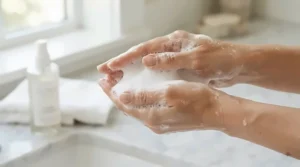
For first use, resist the urge to scrub vigorously; goat milk soap works best with a gentle massaging motion that gives the fatty acids and lactic acid time to interact with skin rather than being rinsed off in three seconds. A common mistake in the first 30 days is using the bar on the face and body identically — for facial skin, a lighter touch and shorter contact time avoids over-exfoliating from any oatmeal or honey content, while body use, especially on rough elbows and heels, can handle a slightly firmer approach. Maintenance-wise, letting the bar air-dry fully between uses roughly doubles its lifespan compared with a soggy, softened bar, and cutting a large block (like the Stephenson base) into smaller cubes before use prevents the whole thing turning mushy at once.
✨ Don’t Miss These Exclusive Deals!
🔍 Take your dry-skin routine to the next level with these carefully selected bars. Click on any highlighted product to check current pricing and availability on Amazon UK. These picks could help you build the comfortable, calm skin your family will genuinely notice!
Real-World Scenarios: Who Benefits Most From Goat Milk Soap
Picture three genuinely different UK households, because “dry skin” means wildly different things depending on who’s living it. First, there’s the new parent bathing a baby with mild eczema patches on the cheeks and elbows — for this household, a fragrance-light, paraben-free option like The Goat Skincare Pure Goat’s Milk Soap Bar with Oatmeal makes sense, since the smaller bar size also means less risk of an unused bar sitting around and degrading before it’s finished.
Second, consider a student renting a chilly, poorly insulated flat, showering daily in hard water that’s already notorious for drying skin further — budget matters here as much as formulation, which is exactly where Capure Goat Milk Soap with Honey and Oatmeal‘s five-pack format earns its keep, spreading cost across months rather than one big outlay. Third, picture a family of five in a rural home with two children who both have diagnosed eczema flare-ups through winter — for that household, the bulk economics and full ingredient control of the Stephenson Melt and Pour Soap Base genuinely make sense, letting a parent tailor the formula (extra oatmeal, no added fragrance) precisely to what each child’s skin tolerates, at a fraction of the per-bar cost of buying seven pre-made bars a month.
How to Choose the Best Goat Milk Soap for Dry Skin
- Check the ingredient order. Goat’s milk should appear early in the ingredient list, not buried after a long string of synthetic fillers — a strong indicator of genuine formulation rather than a marketing add-on.
- Match the add-in to your symptom. Oatmeal suits visible flaking; honey and shea butter suit tight, uncomfortable “just dry” skin; unscented, minimal-ingredient bars suit active eczema flare-ups.
- Look for superfatting or “cold process.” These terms signal the soap retains more natural oils rather than being stripped back for a longer shelf life.
- Consider bar size versus your household. A single 85g-100g bar suits solo trial use; multipacks or bulk blocks suit families or anyone who’s already confident it works for them.
- Scan for fragrance-free options if you’re eczema-prone. Even natural fragrance oils can irritate genuinely reactive skin, so an unscented pick is the safer starting point.
- Weigh price against cost-per-gram, not sticker price. A £16 artisan bar and a £15 bulk kilogram block sit at wildly different actual value once you do the maths.
- Read aggregated review themes, not just star ratings. Look specifically for mentions of dryness, sensitivity or eczema in the written reviews, since these tell you far more than a generic five-star average.
Moisturising Goat Milk Soap Bar: What Actually Makes One Moisturising
It’s worth being honest about a widely repeated claim: not every bar labelled a moisturising goat milk soap bar is meaningfully more hydrating than a standard one. The genuine driver of moisture retention is the superfat level — the percentage of oils left unsaponified in the finished bar — combined with humectant additions like honey or glycerin, which actively draw water into skin rather than just avoiding stripping it away.
On paper, this means a bar can legitimately contain goat’s milk and still perform poorly if it’s formulated with a low superfat percentage and harsh secondary surfactants. Among the seven bars above, MooGoo Fresh Goat’s Milk Cleansing Bar and LALEA Organic Fresh Goat Milk Soap stand out on this specific measure, thanks to cocoa butter and a cold-saponification process respectively — both approaches that deliberately preserve more of the moisturising fraction. What most buyers overlook is that “moisturising” claims on packaging aren’t independently regulated in the same way medical claims are, so the actual oil and humectant content in the ingredient list tells you more than the front-of-pack copy ever will.
Goat Milk Soap for Flaky Skin: Targeted Relief
Flaking is a specific symptom, not a synonym for dry skin generally, and goat milk soap for flaky skin needs to do slightly different work than a bar aimed at generalised tightness. Flakes are dead skin cells that haven’t shed properly, usually because the underlying skin is too dry for normal desquamation to happen smoothly — so effective flaky-skin soap needs a gentle exfoliating element alongside the moisturising one, rather than moisture alone.
This is exactly why oatmeal-based bars like The Goat Skincare Pure Goat’s Milk Soap Bar with Oatmeal are worth prioritising if flaking is your specific complaint: the oatmeal provides mild mechanical exfoliation, loosening flakes, while the goat’s milk and avocado oil replace lost lipids underneath. Reviewers consistently note that visible improvement on flaky patches — elbows, shins, backs of hands — takes a couple of weeks of consistent use rather than appearing overnight, which tracks with how the skin’s natural shedding cycle actually works; the American Academy of Dermatology and equivalent UK dermatology guidance both point to roughly four weeks for a full skin-cell turnover cycle, so patience genuinely matters here.
What Makes a Creamy Goat Soap Bar Different
Texture tells you more than most people realise. A genuinely creamy goat soap bar — one that lathers into a dense, almost whipped foam rather than thin, fast-vanishing bubbles — usually indicates a higher fat content and a slower, more careful saponification process. Thin, aggressive foam is typically a marker of sodium lauryl sulfate or similar harsh surfactants doing the work instead, which is precisely what strips natural oils from already-compromised dry skin.
Based on the spec comparison across this list, MooGoo Fresh Goat’s Milk Cleansing Bar and The Little Goat Soap Company Goat Milk Soap both lean into this creamier profile, thanks to cocoa butter and shea butter respectively working alongside the goat’s milk base. Here’s what to weigh: a creamier bar generally rinses away more slowly, which some people initially read as “not cleaning properly” — it’s worth persisting through that adjustment period, since a lingering, slightly filmy feel after rinsing is usually the moisturising oils doing their job, not soap residue left behind.
Nourishing Farm Soap: Why Sourcing and Ethics Matter
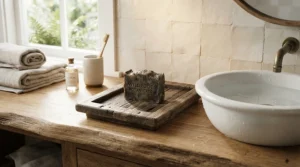
There’s a meaningful difference between a bar that merely lists “goat milk” as an ingredient and genuine nourishing farm soap made from milk with a traceable, small-scale origin. The Little Goat Soap Company is the clearest example on this list — their milk comes from their own herd rather than a bulk third-party supplier, which affects both consistency and, for many buyers, the ethical calculus of the purchase.
Based on honest analysis rather than marketing framing, farm-traceable soap doesn’t automatically outperform mass-produced alternatives on pure moisturising chemistry — a well-formulated large-batch bar can still be excellent. What it does offer is verifiable provenance: you can reasonably trust that a small UK farm producer has fewer supply-chain steps where quality could be diluted or milk could be substituted with powdered alternatives, a substitution that’s genuinely common in cheaper “goat milk soap” products sold internationally. If sourcing transparency and supporting smaller UK producers matters to your buying decision as much as the ingredient list itself, this is the category to prioritise.
Goat Milk Soap vs Traditional Bar Soap
| Factor | Goat Milk Soap | Traditional Bar Soap |
|---|---|---|
| Typical pH | Closer to skin’s natural pH | Often more alkaline |
| Fat/oil retention | Usually superfatted | Often stripped for shelf life |
| Key actives | Lactic acid, vitamins, fatty acids | Mainly surfactants |
| Best suited to | Dry, sensitive, flaky skin | Normal, oily, robust skin |
The pH difference matters more than it might seem: traditional soap’s higher alkalinity disrupts the skin’s acid mantle, the thin protective film that keeps moisture in and irritants out, whereas goat milk soap sits closer to skin’s natural pH and disturbs that barrier less on each wash. That said, traditional soap isn’t universally “bad” — for genuinely oily or robust skin types, its stronger degreasing action can actually be preferable, so this comparison isn’t a blanket verdict, just a mismatch-avoidance guide for anyone whose skin is already struggling. The saponification chemistry behind both soap types is identical at a technical level, as Wikipedia’s overview of the process explains — the real-world difference comes entirely from formulation choices like superfat level and additive selection, not the basic reaction itself. It’s also worth knowing that, whichever bar you choose, UK sellers are legally required to meet cosmetic product safety standards; the official guidance on making cosmetic products available in Great Britain sets out what responsible sellers must demonstrate before a bar ever reaches an Amazon listing.
Common Mistakes When Buying Goat Milk Soap for Dry Skin
The single most common mistake is buying on scent alone, choosing a heavily fragranced bar because it smells appealing in a product photo, then discovering the added fragrance oil is exactly what’s causing continued irritation. A close second is assuming “natural” and “goat milk” automatically mean hypoallergenic — plenty of genuinely natural ingredients, including some essential oils, are still common irritants for reactive skin, so ingredient-list scrutiny still matters even with natural products.
Another frequent misstep is buying a single small bar to “test” a formulation switch, then judging it after two or three washes — as covered above, meaningful skin-barrier improvement realistically takes several weeks, so a fair trial needs at least that long before drawing conclusions. Finally, price-anchoring on the cheapest bar available without checking the superfat level or ingredient order can backfire: a genuinely under-formulated “goat milk soap” with milk listed near the bottom of a long ingredient list may deliver little more benefit than a standard bar at a similar price point, as covered under the moisturising section above.
Long-Term Cost & Maintenance
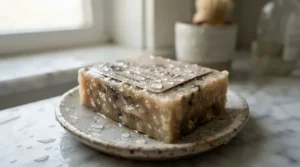
Looking at total cost of ownership rather than sticker price changes the ranking considerably. A single 100g bar used daily by one person typically lasts around four to six weeks with proper storage on a draining soap dish, putting most bars on this list at roughly 15-25 pence per wash — genuinely comparable to, or cheaper than, many liquid body washes once you account for how much liquid product gets used per shower. The Stephenson bulk block undercuts everything else on a strict cost-per-gram basis, but only once you factor in your own time for melting and pouring, which isn’t free even if it doesn’t show up on a receipt.
This lines up with wider UK dermatology advice, too — a British Skin Foundation consultant dermatologist’s winter skincare guidance makes much the same point about avoiding harsh, alcohol-based cleansers and keeping bath and shower time short, regardless of which soap sits on the shelf.
Maintenance-wise, the main lever for extending bar life is moisture control between uses: a bar left sitting in water can lose noticeably more mass per wash than one stored dry, and cutting larger bars or blocks into smaller cubes in advance avoids one soft, mushy piece slowly dissolving away while the rest sits untouched. For households juggling several dry-skin sufferers, buying a multipack (like the Capure five-pack) rather than repeatedly rebuying single bars also reduces the “empty soap dish at 11pm” problem that quietly pushes people back to whatever harsh bar happens to be sitting in the cupboard.
FAQ
❓ Is goat milk soap good for very dry, cracked skin?
❓ How often should you use goat milk soap for dry skin?
❓ Does goat milk soap smell like goats?
❓ Can babies use goat milk soap?
❓ Is goat milk soap suitable for eczema-prone skin?
Conclusion
Dry skin rarely has one single fix, but swapping a harsh, stripping bar for a genuinely well-formulated goat milk soap for dry skin is one of the lowest-effort, lowest-cost changes worth trying first. Across the seven bars covered here, there’s a clear pattern: oatmeal-based options suit visible flaking, honey and shea-enriched bars suit tight, uncomfortable dryness, and fragrance-free, small-batch options suit genuinely reactive or eczema-prone skin.
If you’re only prepared to try one thing, start with whichever bar matches your specific symptom from the “How to Choose” checklist above rather than the cheapest or best-reviewed option in isolation — a beautifully reviewed bar aimed at oily skin won’t do much for genuinely dry, flaking patches, no matter how many five-star ratings it’s accumulated. Give whichever bar you choose a proper three-to-four-week trial, store it correctly between washes, and pay attention to how your skin actually responds rather than how the packaging promises it will. Small, consistent changes like this tend to outperform dramatic skincare overhauls, and a decent bar of soap is about as low-risk a place to start as skincare gets.
✨ Ready to give your skin a genuinely better daily wash? Check current availability on the picks above and see which one fits your routine! 🧼💧
Recommended for You
- Goat Milk Soap for Eczema: 7 Soothing UK Picks (2026)
- Goat Milk Soap Bar: 7 Brilliant UK Picks for 2026
- Hot Process Soap Gift Set: 7 Genuine UK Picks You’ll Love (2026)
Disclaimer: This article contains affiliate links. As an Amazon Associate, I earn from qualifying purchases. If you purchase products through these links, we may earn a small commission at no additional cost to you.
✨ Found this helpful? Share it with your friends! 💬🤗
