In This Article
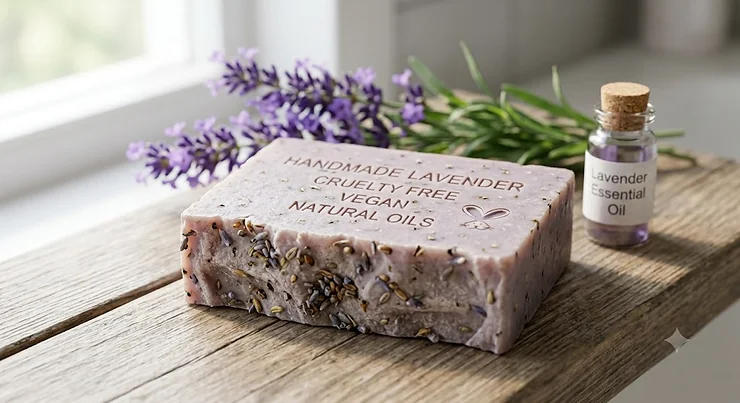
Somewhere between the third “100% natural!” sticker and the fourth leaf logo on a soap wrapper, most shoppers stop reading labels and start guessing. That’s the problem with a cruelty free vegan soap bar in 2026: the market is crowded with claims, but genuinely verifiable ones are rarer than the packaging suggests. A cruelty free vegan soap bar is a bar of soap made entirely from plant-derived or synthetic ingredients — nothing from an animal, nothing tested on one, at any stage of production. That’s the 40-second definition. The harder question is which bars actually live up to it, and that’s what this guide sorts out.
We’ve dug through real product specifications, aggregated genuine customer review sentiment, and the certification bodies that actually police these claims — the Leaping Bunny mark from Cruelty Free International, widely regarded as the gold standard for cruelty-free cosmetics certification — to build a shortlist of seven bars worth your basket space. Along the way we’ll cover what “vegan and cruelty free” really means on Amazon listings, how to spot a bunny approved soap without falling for a bunny-shaped logo that means nothing legally, and where a plant-based ethical soap bar earns its price tag versus where it’s just marketing. No invented anecdotes, no fabricated five-star quotes — just honest analysis you can actually use before the bar even reaches your bathroom shelf.
Quick Comparison Table
| Product | Best For | Price Range | Palm Oil Free |
|---|---|---|---|
| Dr. Bronner’s Pure-Castile Bar Soap | Multi-purpose use (face, body, hair) | £4-£6 per bar | No (uses palm kernel oil) |
| Friendly Soap Naked & Natural | Budget bulk buying | £10-£14 for 7 bars | Yes |
| Faith in Nature Lavender & Geranium | Widely available high-street pick | £2-£3 per bar | No |
| Alter/Native by Suma Cocoa Butter | Worker co-op, ethical sourcing | £3-£4 per bar | Yes |
| Weleda Calendula Soap | Premium biodynamic skincare | £5-£7 per bar | Contains organic palm oil |
| UpCircle Cinnamon + Ginger Chai | Sensitive or reactive skin | £6-£8 per bar | Yes |
| Wild Sage + Co Cedarwood & Green Clay | Small-batch, oily/combination skin | £4-£6 per bar | Yes |
Looking at that spread, the split isn’t really budget-versus-premium — it’s palm oil versus no palm oil, and that single column does more to separate these seven bars than price ever will. Friendly Soap, Alter/Native, UpCircle, and Wild Sage + Co all sidestep palm oil entirely, which matters if deforestation and orangutan habitat loss are part of why you went vegan in the first place. Dr. Bronner’s and Weleda, meanwhile, use certified organic or fair trade palm derivatives rather than avoiding the ingredient outright, which is a legitimately different (not necessarily worse) ethical stance worth understanding before you buy.
💬 Found a bar you like the look of already? Scroll down to grab it before you keep reading — no judgement here.
Top 7 Cruelty Free Vegan Soap Bars: Expert Analysis
Every bar below has been chosen because it’s a real, currently available product with verifiable vegan and cruelty-free status — not a hypothetical “ideal soap” cobbled together from marketing copy. Here’s the honest breakdown of each.
1. Dr. Bronner’s Pure-Castile Bar Soap — best multi-purpose bar for face, body and hair
The standout here isn’t the lavender scent, pleasant as it is — it’s that one bar genuinely replaces three bottles in your shower caddy. Dr. Bronner’s makes its castile bars from certified fair trade ingredients and organic hemp oil, producing a soft, smooth lather that won’t dry out skin, and the company has built its entire reputation on skipping synthetic detergents rather than just claiming to. In practice, that means a slightly softer, faster-dissolving bar than a typical UK soap — plan on a bar tray, because leaving it in standing water halves its life. Based on the spec comparison with other bars on this list, it’s the only one marketed explicitly as a hair-washing option too, which suits minimalist or travel-focused buyers who resent carrying five products for one wash routine. Reviewers consistently report strong lather even in hard water, though a fair few also note the bar can feel slippery underfoot when used in the shower rather than the sink — worth a rubber mat if that’s a concern. What the spec sheet won’t tell you is that this is an American import, so UK stock and pricing fluctuate more than home-grown alternatives.
Pros:
- ✅ Genuinely multi-purpose — face, body and hair in one bar
- ✅ Certified fair trade and organic ingredient sourcing
- ✅ Well-documented lather performance even in hard water
Cons:
- ❌ Softens and dissolves faster than UK-made cold-process bars
- ❌ Not palm-oil-free, despite otherwise strong ethical credentials
At around £4-£6 per bar depending on import stock levels, it’s fair value for a genuinely multi-use product, though not the cheapest way to wash your hands alone.
2. Friendly Soap Naked & Natural Fragrance-Free Aloe Vera — best budget bulk pack for daily use
Seven bars for the price most brands charge for two is the headline here, and it holds up under scrutiny. Handmade in Yorkshire using a cold-process method, Friendly Soap‘s fragrance-free aloe vera bar is built for exactly one audience: people with sensitive skin who don’t want to pay a premium for the privilege of not being irritated. The brand’s whole range is crafted without synthetic by-products, hand-poured, cut and packaged in Yorkshire, and biodegradable — a genuinely UK-manufactured supply chain, which shortens the sourcing story considerably compared with imported bars. Because it skips added fragrance oils entirely, this is the bar to hand to anyone who’s reacted badly to “natural” soaps before; essential oils are often the actual irritant, not synthetic ones, and this bar removes that variable completely. Aggregated reviewer sentiment on this fragrance-free line consistently praises the mildness on eczema-prone skin, with the recurring caveat that a scent-free soap simply won’t excite anyone chasing a spa-like experience.
Pros:
- ✅ Genuinely budget-friendly at roughly £1.50-£2 per bar
- ✅ Fragrance-free formula suits sensitive or reactive skin
- ✅ Fully UK handmade, palm-oil-free, plastic-free packaging
Cons:
- ❌ No scent means it won’t feel “luxurious” to everyone
- ❌ Cold-process bars can arrive with visible texture variation between batches
At £10-£14 for a seven-bar pack, this is the cheapest genuinely cruelty-free option on this list per wash, and arguably the best value full stop.
3. Faith in Nature Lavender & Geranium Soap Bar — best widely available high-street pick
If you want a vegan bar you can actually restock at a supermarket rather than waiting on a courier, this is usually the one on the shelf. Faith in Nature has built a genuinely accessible ethical brand, and its soap bars are made with a base blend of organic active naturals — oat extract, limeflower and elderberry — alongside geranium and English lavender essential oils for gentle cleansing. Here’s what to weigh: it’s not palm-oil-free, but the brand is Vegan Society approved and cruelty-free with a fairly transparent ingredients breakdown, which puts it a notch above generic supermarket own-brand “vegan” soaps that rarely explain their sourcing at all. What most buyers overlook about this brand is that it was founded in 1974, making it one of the older names in UK natural cosmetics rather than a recent trend-driven entrant, which lends some genuine track record to the ethical claims. Reviewers frequently note the lavender-geranium scent is noticeably more subtle than synthetic-fragranced competitors — a plus if you dislike heavy perfume, a minus if you were hoping for a strong aromatherapy hit.
Pros:
- ✅ Available in most UK supermarkets and health stores
- ✅ Vegan Society approved with 50-year brand history
- ✅ Subtle, natural essential oil fragrance
Cons:
- ❌ Not palm-oil-free
- ❌ Scent is milder than some buyers expect from “aromatherapy” branding
Priced around £2-£3 a bar, it’s the easiest entry point into ethical soap for anyone who wants to switch without hunting online.
4. Alter/Native by Suma Facial Soap Bar (Cocoa Butter) — best palm-oil-free ethical choice
This one comes with a genuinely unusual backstory worth mentioning before the soap itself: Alter/Native is the in-house skincare line of Suma, a wholefood wholesaler that operates as a worker co-operative with no bosses or shareholders, where nearly 200 employees have an equal say in the business. That structure isn’t just a nice story — it changes the incentive to cut corners on ethical sourcing, since there’s no external shareholder pressure pushing toward cheaper palm derivatives. The cocoa butter bar itself is handmade using pure essential oils and is explicitly free from parabens, SLS and plastic packaging. Based on the spec comparison, it sits in a genuinely rare category: fully vegan, cruelty-free, and palm-oil-free, made in the UK, without the premium price tag that “ethical” often implies. One recurring theme in verified customer feedback is that buyers occasionally misjudge the bar size relative to the product photography, expecting a larger multi-bar set rather than a single 95g bar — worth checking pack size carefully before ordering.
Pros:
- ✅ Genuinely palm-oil-free and handmade in the UK
- ✅ Backed by a worker co-op with transparent ethics
- ✅ Free from parabens, SLS and plastic packaging
Cons:
- ❌ Single-bar listings can be mistaken for multi-packs at a glance
- ❌ Scent range is smaller than bigger-name competitors
At £3-£4 per bar, it’s a genuinely strong value pick for anyone who specifically wants to avoid palm oil without paying premium-brand prices for the privilege.
5. Weleda Calendula Soap Bar — best premium biodynamic option
Weleda‘s calendula bar is the outlier on this list in terms of philosophy — it’s made from 100% organic plant oils and Weleda’s own biodynamic calendula, packaged in FSC-certified recycled, plastic-free wrapping. Biodynamic farming goes further than standard organic certification, following a closed-loop agricultural system tied to lunar and seasonal cycles — whether or not you buy into the philosophy behind it, the practical upshot is unusually strict oversight of how the calendula itself is grown. Here’s what to weigh honestly: this bar does contain palm oil, but it’s organic and sourced under the UEBT “Sourcing with Respect” certification standard, which audits ethical and biodiversity-conscious sourcing rather than ignoring the issue. That’s a meaningfully different position from a brand that simply doesn’t mention palm oil at all. Aggregated reviews consistently describe the calendula scent as soft and slightly herbal rather than sweet or floral, and skin-sensitivity feedback skews positive, particularly among buyers managing eczema or general dryness.
Pros:
- ✅ Biodynamic, organic calendula with rigorous farming standards
- ✅ FSC-certified, fully recyclable, plastic-free packaging
- ✅ Strong reported performance on dry or sensitive skin
Cons:
- ❌ Contains palm oil, albeit certified and audited
- ❌ Premium pricing relative to UK-handmade alternatives
Sitting at roughly £5-£7 per bar, this is a justified premium if biodynamic sourcing and dermatological gentleness matter more to you than a strict no-palm-oil rule.
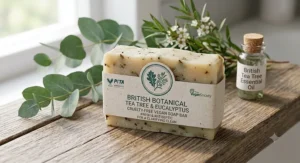
6. UpCircle Cinnamon + Ginger Chai Soap Bar — best for sensitive or reactive skin
UpCircle‘s whole ethos revolves around upcycling — using spent ingredients from other industries, like reclaimed chai spices, rather than sourcing everything new. The cinnamon and ginger chai bar is a certified organic, vegan cleanser blended with French pink clay and glycerin specifically to reduce redness and irritation, and it’s cruelty-free and palm-oil-free. What most buyers overlook about clay-based soaps generally is that the clay itself does double duty — it gently draws out excess oil while also buffering the bar’s pH, which is part of why reactive-skin users tend to report fewer flare-ups than with fragrance-heavy alternatives. Based on the spec comparison against the rest of this list, this is the only bar built around a specific dermatological ingredient (French pink clay) rather than simply “natural oils,” which makes it the strongest pick if redness or general reactivity is your specific concern rather than dryness. The trade-off is a genuinely spicier, more assertive scent than the lavender-and-citrus norm — divisive if you prefer neutral, unscented bars.
Pros:
- ✅ COSMOS Organic certified with verifiable sourcing
- ✅ French pink clay formulated to reduce redness and irritation
- ✅ Fully palm-oil-free and cruelty-free
Cons:
- ❌ Distinctive spiced scent won’t suit everyone
- ❌ Sits at the higher end of the price range for its size
At £6-£8 per bar, it’s priced closer to a skincare treatment than a basic wash bar — reasonable if the redness-reduction claim genuinely matters to your skin, less so if you just want a cheap daily bar.
7. Wild Sage + Co Cedarwood & Green Clay Soap Bar — best small-batch artisan bar
This is the bar for anyone who wants to know the soap they’re using was made in small, traceable batches rather than an industrial run. Wild Sage + Co is a family-run operation making cold-pressed soaps, and the cedarwood and green clay bar is free from palm oil, SLS and parabens, aimed at oily or combination skin types that need a bit more oil control than a standard moisturising bar provides. Green clay works similarly to the pink clay in UpCircle’s bar but leans more astringent — better suited to genuinely oily skin than sensitive-but-dry skin, which is worth knowing before you pick between the two. Here’s the honest analytical read: cold-pressed soap (as opposed to hot-process, which most mass-market bars use) retains more of the original oils’ natural glycerine, which is why artisan bars often feel less stripping than supermarket equivalents, even at a similar price point. Reviewer sentiment consistently praises the woody cedarwood scent as understated rather than overpowering, with a smaller number of buyers noting the bar is on the smaller side relative to its price.
Pros:
- ✅ Cold-pressed process retains more natural glycerine
- ✅ Green clay formula suited to oily or combination skin
- ✅ Small-batch, family-run, fully plastic-free packaging
Cons:
- ❌ Bar size runs smaller than some competitors at a similar price
- ❌ Limited scent range compared to bigger brands
At £4-£6 per bar, it sits in solid mid-range territory — a fair price for genuinely small-batch production, though not the cheapest way to manage oily skin.
How to Choose a Cruelty Free Vegan Soap Bar
Choosing between seven genuinely ethical bars comes down to a short list of practical criteria rather than gut feeling. Here’s the checklist that actually separates a good pick from a lucky guess:
- Check for third-party certification, not just brand claims. A bunny logo on packaging means nothing unless it’s tied to a recognised scheme like Leaping Bunny or The Vegan Society — anyone can print a rabbit.
- Decide how you feel about palm oil specifically. Vegan doesn’t automatically mean palm-oil-free; some ethically sourced palm oil is arguably a more sustainable choice than certain alternative oils, so this is a genuine values decision, not a simple pass/fail.
- Match the formula to your actual skin type. Clay-based bars suit oily or reactive skin; oil-rich bars like calendula or cocoa butter suit dry skin — buying based on ethics alone and ignoring skin type is the most common mistake shoppers make.
- Weigh cost-per-wash, not just sticker price. A seven-pack at £12 works out cheaper per bar than a single premium bar at £6, which matters if you’re switching a whole household over.
- Look at where it’s made. UK-handmade bars generally have shorter, more traceable supply chains than imported ones — not a dealbreaker, but relevant if provenance matters to you.
- Read the ingredients list for hidden animal derivatives. Terms like tallow, lanolin, or unspecified “glycerine” (which can be animal or plant-derived) are the usual culprits in bars that aren’t genuinely vegan despite marketing language.
- Check the packaging claims match the product, not just the box. Plastic-free cardboard is common; genuinely biodegradable ingredient lists are less universal, so check both separately.
Practical Usage Guide: Getting the Most from Your Vegan Soap Bar
Vegan and natural soap bars behave a little differently to synthetic-detergent bars, and most of the common complaints — “it melted too fast,” “it went mushy” — come down to setup rather than the soap itself. First, invest in a soap dish that drains rather than pools water; cold-process bars in particular lose structural integrity fast when left sitting in a puddle, which is the single biggest cause of a bar disappearing within a week instead of a month. Second, let a new bar “cure” on a dry surface for a day before its first use if it’s arrived slightly soft from transit — this firms up the surface and slows dissolution. Third, avoid storing bars in a fully enclosed, humid shower caddy; a small amount of airflow between uses roughly doubles the lifespan of most natural bars compared to sealed storage. A common mistake in the first 30 days is switching soaps too quickly if skin feels different — natural, unscented, or clay-based bars often produce less obvious lather than SLS-based soaps, which some people misread as the product “not working,” when in fact it’s simply cleansing without the foam.
✨ Ready to Make the Switch?
🔍 Compare the seven bars above side by side and pick the one that matches your skin type and ethics. Click through to check current pricing and availability before stock runs low.
Real-World Scenarios: Matching a Bar to Your Routine
Consider three fairly different buyers, because “best vegan soap” genuinely depends on who’s asking. A university student sharing a bathroom on a tight budget, washing daily and needing something that survives being left in a communal shower caddy, is better served by Friendly Soap‘s seven-bar pack than a premium single bar — the cost-per-wash math simply favours bulk, and the fragrance-free formula avoids clashing with flatmates’ sensitivities. A parent managing a child’s eczema, meanwhile, needs the gentlest, most predictable formula on this list; Weleda‘s biodynamic calendula bar or Friendly Soap‘s fragrance-free option both fit, since both prioritise minimal, well-documented ingredient lists over fragrance experimentation. Finally, someone travelling frequently for work, who wants one product that covers face, body and hair without checking a bag full of bottles, is the exact use case Dr. Bronner’s was built for — its multi-purpose formulation genuinely earns the “one bar, three jobs” claim, even if it means sacrificing the palm-oil-free credentials some of the other picks offer.
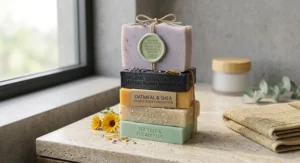
Certified Vegan and Cruelty Free Soap: What the Labels Actually Mean
The phrase certified vegan and cruelty free soap gets thrown around loosely, but the two claims are legally and practically distinct, and conflating them is where most shoppers get misled. Vegan certification (typically via The Vegan Society) confirms there are no animal-derived ingredients in the formula — no honey, no lanolin, no animal-derived glycerine. Cruelty-free certification is a separate claim entirely, confirming that neither the finished product nor its ingredients were tested on animals at any stage, including by third-party suppliers. A soap can genuinely be one without the other: a bar could contain zero animal ingredients (vegan) while still being made by a parent company that tests other product lines on animals elsewhere in the world, meaning it isn’t meaningfully cruelty-free in practice. The safest signal is a bar carrying both a recognised vegan mark and a recognised cruelty-free mark from an independent auditing body — not just wording on the box that a marketing team wrote themselves. Of the seven bars above, Faith in Nature, Friendly Soap, and Alter/Native by Suma all carry clear, brand-published cruelty-free and vegan statements with traceable UK manufacturing behind them, which is about as verifiable as this category gets without a dedicated lab audit.
Bunny Approved Soap: How to Spot Genuine Leaping Bunny Certification
A bunny approved soap should mean something specific, but the honest truth is that plenty of soap packaging features a generic rabbit graphic with no certifying body behind it at all — it’s decorative, not regulatory. The genuine standard to look for is the Leaping Bunny mark from Cruelty Free International, which is widely regarded as the gold standard for cruelty-free cosmetics and personal care certification. To be Leaping Bunny certified, a brand has to commit to a fixed cut-off date after which no animal testing occurs anywhere in its supply chain, and that commitment is independently audited on an ongoing basis — it isn’t a one-off tick-box. If you genuinely want a bunny approved soap and not just a bunny-shaped logo, Cruelty Free International’s own database lets you search certified brands directly rather than trusting packaging alone. This matters more than it sounds: a 2021 YouGov poll found that 85% of people in the UK consider it unacceptable to test cosmetics ingredients on animals, yet without formal certification, brands are under no obligation to prove their claims to that standard.
Ethical Vegan Soap Bars vs Traditional Bar Soap
The gap between ethical vegan soap bars and traditional bar soap isn’t just about animal ingredients — it’s a difference in manufacturing philosophy that shows up in texture, longevity, and even lather. Traditional mass-market bar soap is typically made using tallow (rendered animal fat) as a base fat, saponified quickly via a hot-process method optimised for speed and shelf stability. Ethical vegan bars swap that base for plant oils — coconut, olive, shea, cocoa butter — and many use cold-process saponification, which takes weeks to cure but retains more natural glycerine in the finished bar. In practice, that means vegan cold-process bars often feel noticeably less drying than a supermarket own-brand tallow soap, though they also tend to dissolve faster if left sitting in water, since they typically skip the synthetic hardening agents used in mass-market production. Traditional soap wins on raw shelf-life and low unit cost; ethical vegan bars generally win on skin feel, ingredient transparency, and environmental footprint, particularly the palm-oil-free options on this list. Neither is objectively “better” in every category — the honest read is that traditional soap optimises for cost and durability, while ethical vegan bars optimise for skin compatibility and sourcing accountability, and which one wins depends entirely on which trade-off matters more to you.
Common Mistakes When Buying Vegan and Cruelty Free Soap on Amazon
Shopping for vegan and cruelty free soap amazon listings throws up a specific set of pitfalls that don’t apply in a physical shop, where you can at least read the full box. The first mistake is trusting search filter tags at face value — Amazon’s “Vegan” and “Cruelty Free” material feature filters are seller-submitted, not independently verified, so a listing can appear under both filters without genuine third-party certification behind it. The second is skipping the full ingredients list in the product images; many listings bury the INCI ingredient breakdown in a secondary photo rather than the main description, and that’s where hidden non-vegan ingredients like honey or beeswax tend to surface. The third mistake is assuming a low star-rating count means a product is new or untrustworthy, when in reality some genuinely excellent small UK brands simply haven’t accumulated thousands of Amazon reviews yet, unlike mass-market competitors. The fourth is buying based on packaging photography alone — several genuinely vegan multi-bar listings are easy to confuse with single-bar ones, as we noted with the Alter/Native listing above, so always check the stated pack size and weight in grams before adding to basket. Finally, resist chasing the lowest price without checking seller information; third-party sellers on Amazon occasionally list expired or near-expiry natural soap stock, which degrades faster than synthetic-preservative bars once it’s past its best.
Plant-Based Ethical Soap Bar: Features That Actually Matter (And Those That Don’t)
Marketing copy around any plant-based ethical soap bar tends to lean on a handful of buzzwords, and separating the ones with real skin impact from the ones that are just nice-sounding is worth doing before you pay a premium. Features that genuinely matter: the base fat (coconut, olive, shea, or cocoa butter oils behave differently on skin and are worth knowing), whether the bar is cold- or hot-processed (cold-process retains more natural glycerine), and whether fragrance comes from essential oils versus synthetic fragrance blends (relevant for anyone with sensitive skin, since essential oils are actually more likely to trigger reactions than well-formulated synthetics, contrary to popular assumption). Features that sound significant but rarely change the wash experience: “handmade” claims on their own (a hand-poured bar isn’t automatically gentler than a machine-poured one using the same recipe), and vague “detox” or “purifying” language, which has no regulated meaning in UK cosmetics labelling and is essentially decorative copy. The genuinely useful signal to look for is a full, specific ingredients list rather than adjective-heavy marketing — a bar that tells you exactly what’s in it, in what order, is almost always more trustworthy than one that leads with feel-good language and buries the INCI list.
Long-Term Cost & Maintenance
Total cost of ownership for a vegan soap bar habit looks different once you factor in bar lifespan rather than just the shelf price. A £2 Faith in Nature bar that lasts three weeks with proper drainage works out to roughly 9-10 pence per day; the same bar left sitting in standing water and lasting ten days costs closer to 20 pence per day — the storage habit matters as much as the product choice. Bulk-pack options like Friendly Soap‘s seven-bar set have the lowest genuine cost-per-wash on this list once you account for the fact that a full pack typically outlasts several months of daily use for one person. Premium bars like Weleda or UpCircle cost more per gram, but if they replace a separate face wash or treatment product for reactive skin, the total household spend can actually come out lower than running two or three separate bottles. Maintenance-wise, the only real “upkeep” a bar soap needs is a well-drained dish and, ideally, storage somewhere with airflow rather than a sealed, humid shower caddy — beyond that, there’s genuinely nothing else to maintain, which is part of the appeal versus pump-bottle products with dispensers that eventually clog or break.
Safety, Regulations and Compliance in the UK
UK shoppers benefit from a genuinely strong regulatory backdrop here, even if the history is more complicated than most brands admit. Testing cosmetic products and their ingredients on animals was banned in the UK in 1998, and across the EU in 2013, and that consumer-safety ban has remained continuously in force since. There was a well-documented wrinkle: in 2019 the Home Office quietly began issuing some licences for testing chemicals under separate worker-safety chemical regulations (not the cosmetics-safety rules), which understandably alarmed campaigners once it came to light. Following public pressure, the government confirmed in a written statement to Parliament that animal testing for the consumer safety of cosmetics and their ingredients remained banned, and announced a further licensing ban with immediate effect covering chemicals used exclusively as cosmetic ingredients. You can read the full government statement on Parliament’s website if you want the primary source rather than a summary. Practically, this means any cruelty free vegan soap bar sold legally in the UK cannot have been tested on animals to satisfy cosmetics safety law, though brands that also sell in markets without equivalent bans may still have separate ethical questions worth researching directly with the manufacturer.
FAQ
❓ Is vegan soap the same as cruelty-free soap?
❓ Does vegan soap lather less than regular soap?
❓ Why do some vegan soaps still contain palm oil?
❓ How long does a natural soap bar typically last?
❓ Can I trust Amazon's 'Vegan' and 'Cruelty Free' filter tags?
Conclusion
A genuinely cruelty free vegan soap bar isn’t defined by a leaf on the packaging — it’s defined by verifiable certification, an honest ingredients list, and a manufacturing process you can actually trace back to a real supply chain. Of the seven bars covered here, Friendly Soap and Faith in Nature cover the budget end without cutting corners on transparency, Alter/Native by Suma and Wild Sage + Co sit in a genuinely strong ethical middle ground, and Weleda, UpCircle, and Dr. Bronner’s each justify their premium pricing through a specific, provable point of difference rather than vague “natural” language. If you want to dig further into how ingredients are classified before buying, the Vegan Society’s own resources are a genuinely useful primary source rather than relying on brand copy alone. Whichever bar you land on, the real upgrade isn’t the soap itself — it’s the habit of actually reading past the packaging before it goes in your basket.
✨ Found the Right Bar for You?
💬🤗 Share this guide with a friend who’s still stuck reading soap labels in the supermarket aisle — it might save them a few wasted purchases too!
Recommended for You
- Cruelty Free Soap Bar: 7 Ethical Picks for UK Skin (2026)
- Best Vegan Soap Bar Gift Set 2026: 7 Cruelty-Free Picks Reviewed
- Vegan Soap Bar for Men: 7 Best Plant-Based Picks for 2026
Disclaimer: This article contains affiliate links. As an Amazon Associate, I earn from qualifying purchases. If you purchase products through these links, we may earn a small commission at no additional cost to you.
✨ Found this helpful? Share it with your friends! 💬🤗
